Tuscany Grape Harvest Experience the Magic of Vendemmia
Tuscany's grape harvest, known in Italian as vendemmia, is one of the most exciting times to visit wine country. During September and October, vineyards become working landscapes where visitors can discover how grapes begin their journey from vine to wine.
When Is Grape Harvest Season in Tuscany?
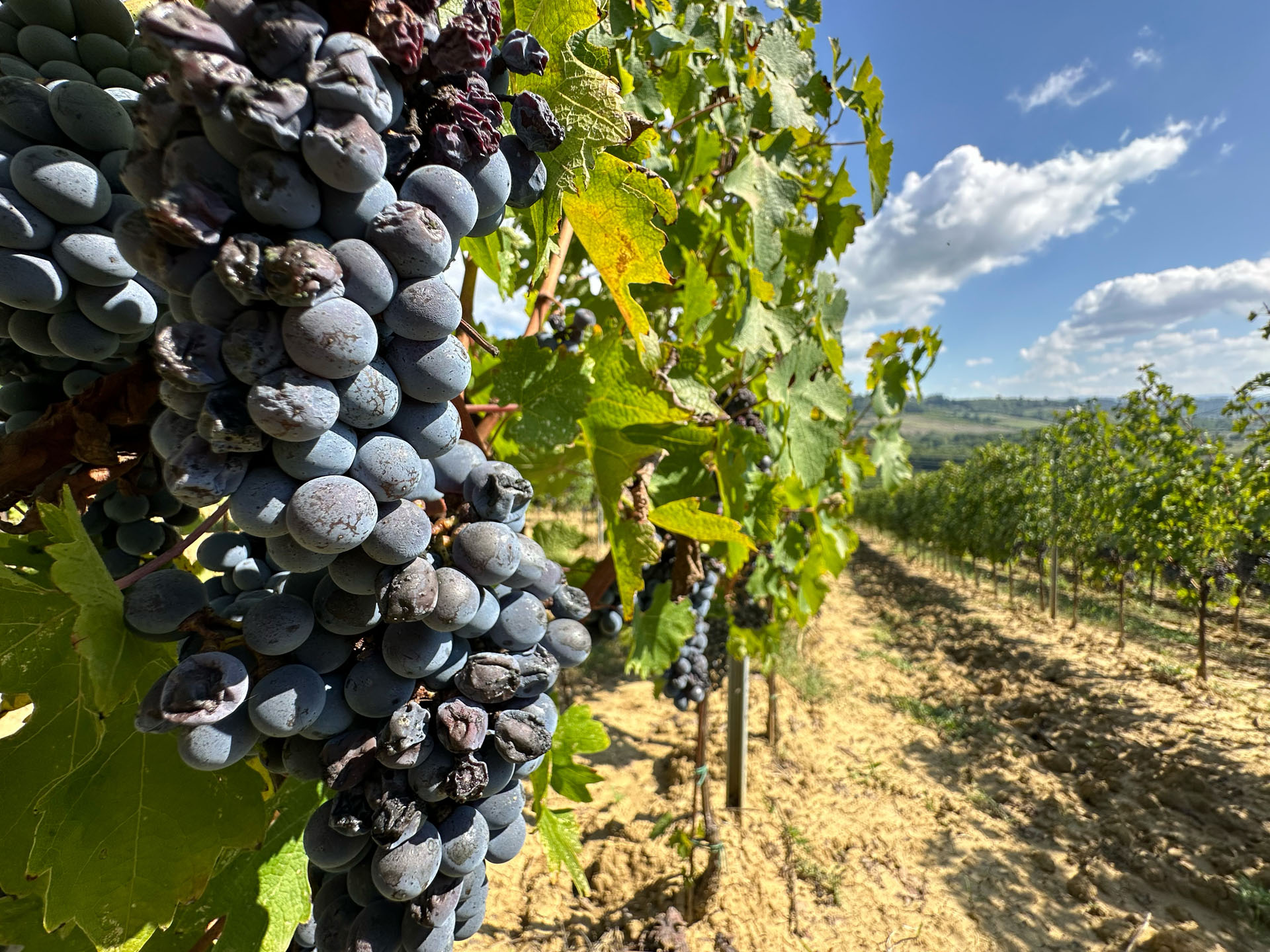
There's no single date for the vendemmia. Harvest timing shifts every year depending on the grape variety, the specific microclimate of each vineyard, and how the growing season has unfolded: a warm, dry summer can bring picking forward by weeks, while a cooler one can push it later. As a general guide, white varieties like Vernaccia di San Gimignano are typically picked first, from late August into September, while red varieties such as Sangiovese often follow through September and into October. Rather than a fixed calendar, think of it as a season that estates read week by week, grape by grape.
What Is Vendemmia?
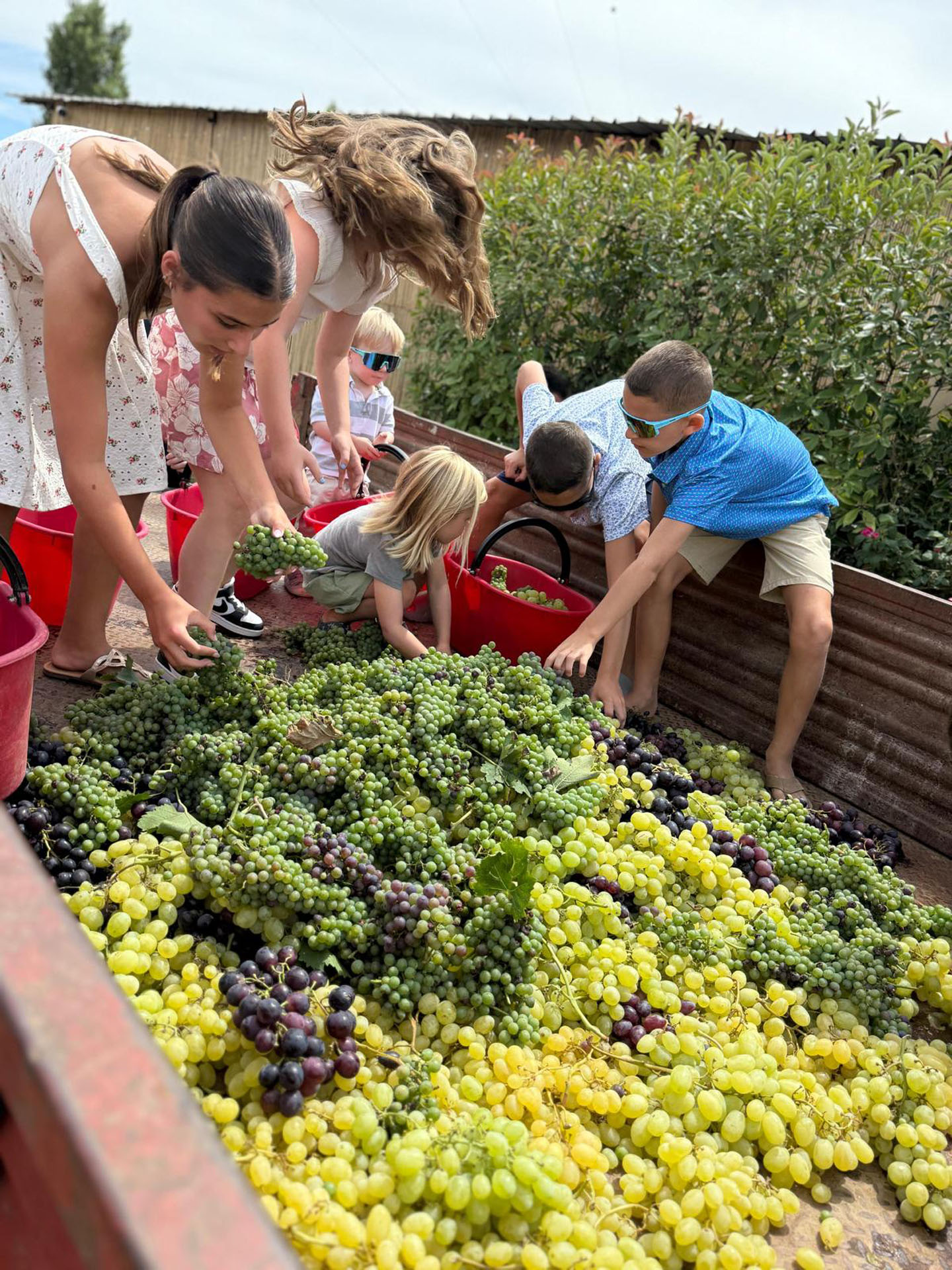
Vendemmia is far more than a harvest date on a calendar: it's a season woven into Tuscan family life. For generations, it has meant entire households and estate teams working side by side in the vineyards, hand-picking grapes, sharing long lunches under the vines, and marking the turning point of the wine year. At Tenuta Torciano, this rhythm has been passed down for 13 generations: the same rows, the same rituals, adapted year after year to whatever the season brings.
Handing Down the Tradition
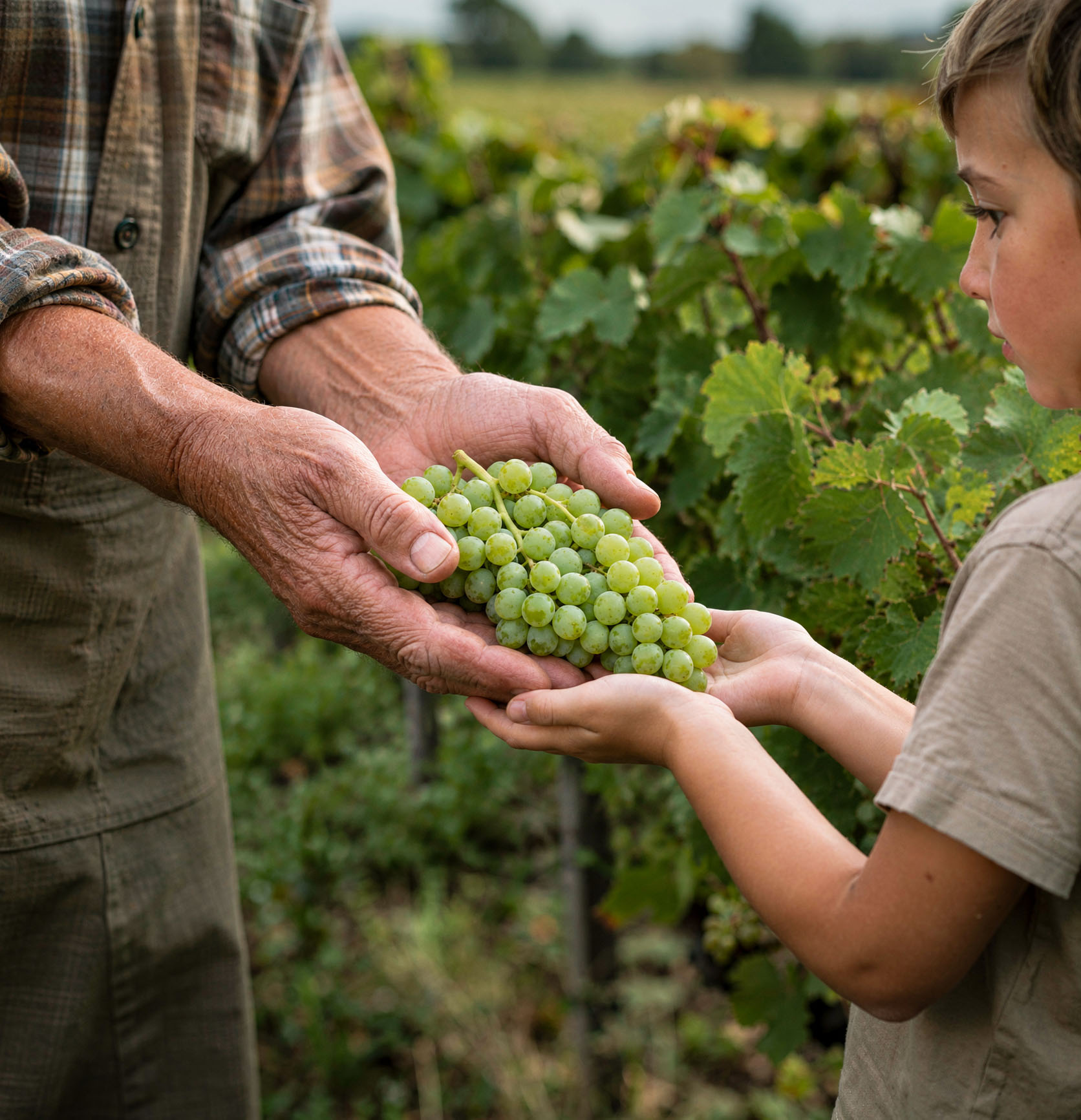
The vendemmia was never simply about production. It is a tradition of respect and conviviality, of culture and method. A way of doing things that carries its values forward through time, from one pair of hands to the next. Each cluster passed from an elder to a child is a lesson without words: how to read the vine, how to wait for the right moment, how to share what the season gives.
To take part in the harvest is to feel that tradition rather than simply watch it and, for a day, to become one of its new bearers, carrying a little of its spirit and wisdom with you when you leave.
Thirteen generations, one living harvest season
Reserve Your Harvest Day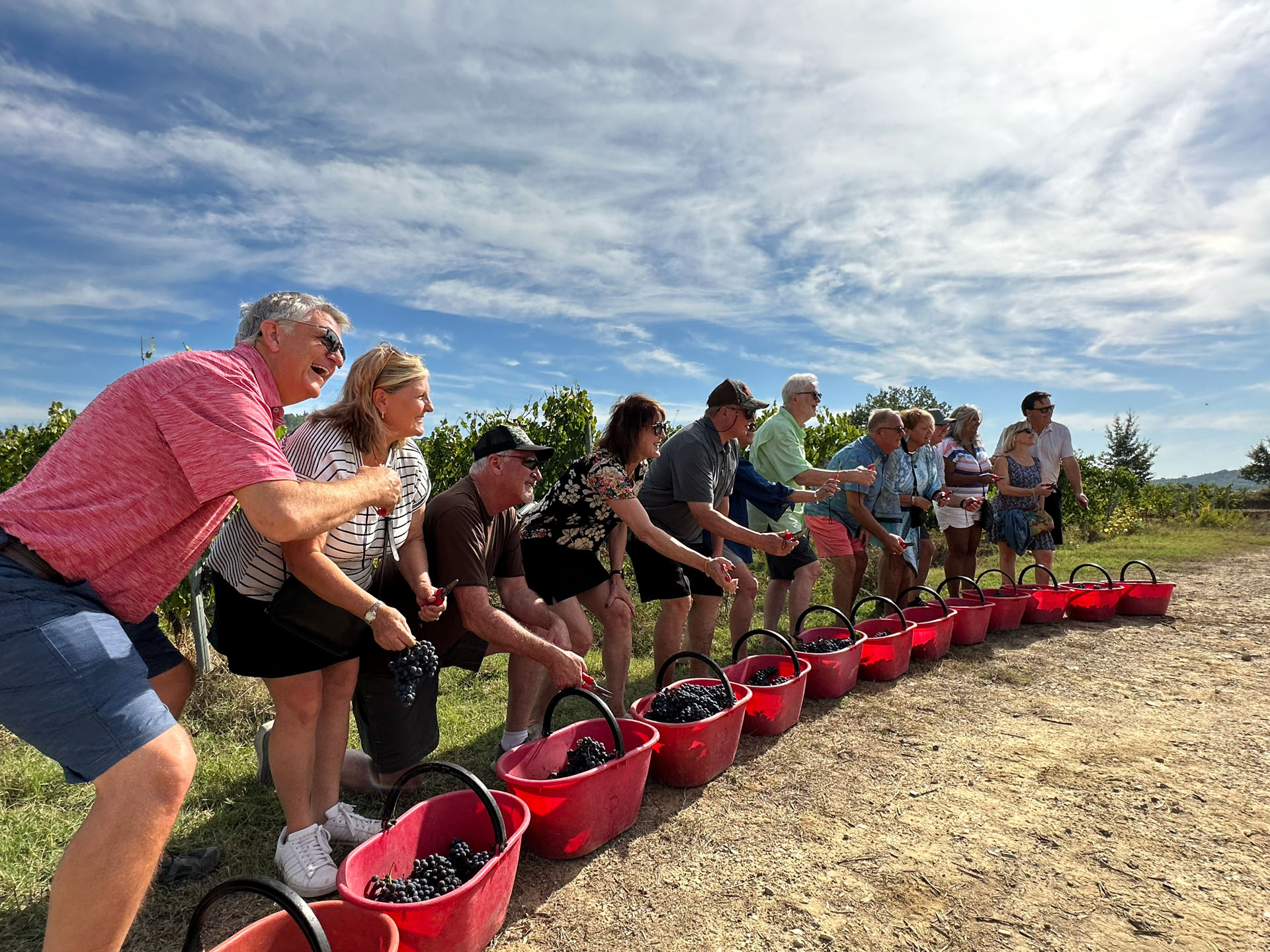
Can Tourists Participate in the Grape Harvest?
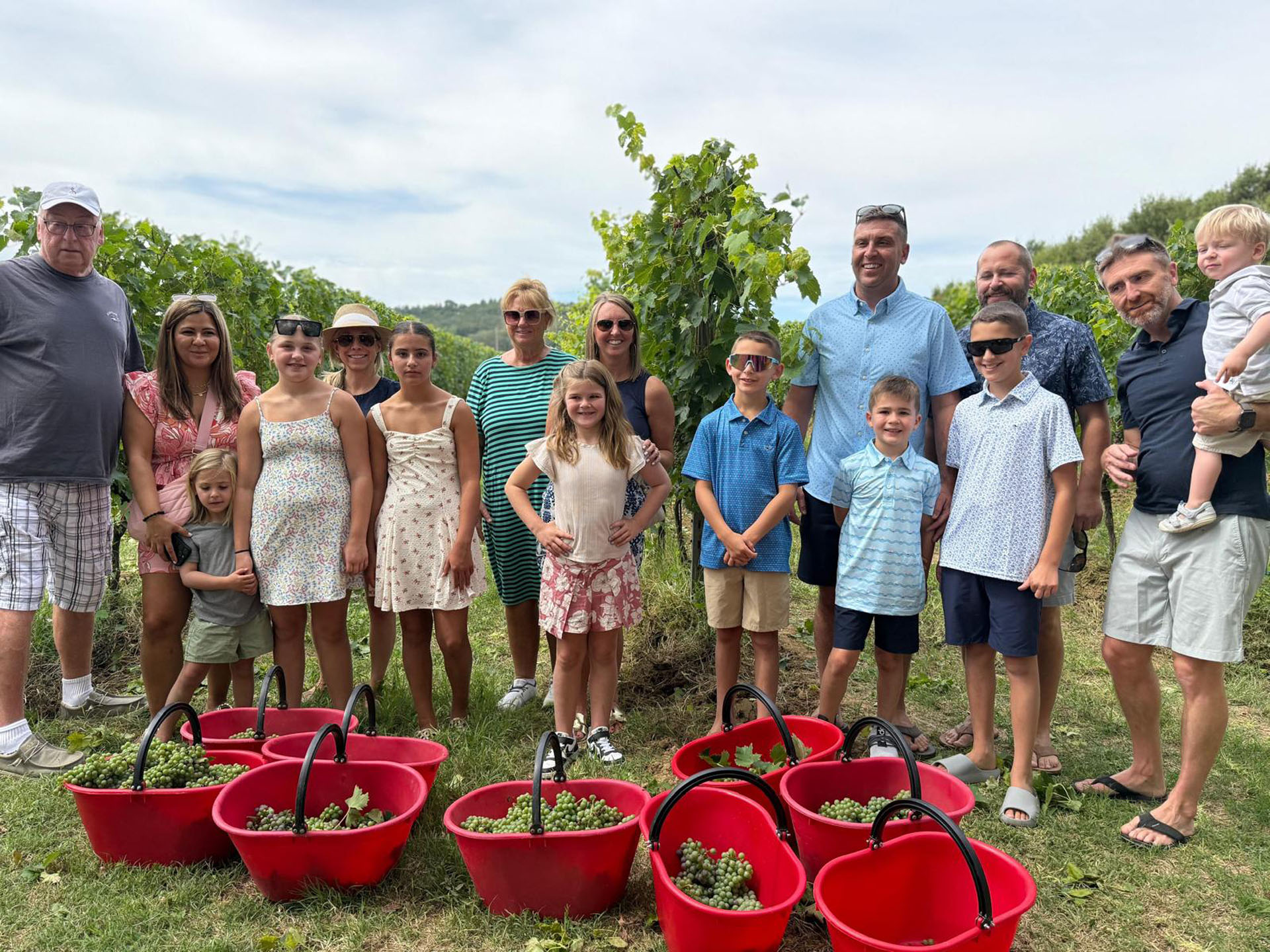
Yes. And it's one of the most memorable ways to experience Tuscany. Each year, Tenuta Torciano's Educational Harvest Experience runs from August 10th to November 10th, offering guests a hands-on introduction to the traditions and techniques of the vendemmia. Guests join the estate's winemaking team in the vineyards and cellars: picking grapes, walking the rows during harvest, and discovering first-hand how fruit becomes wine, followed by a wine tasting and Tuscan lunch. More than a demonstration, it is a true "vendemmia didattica" (an educational, hands-on harvest experience) where guests learn by taking part alongside those who work the vineyards and make the wine.
What Is Grape Stomping?
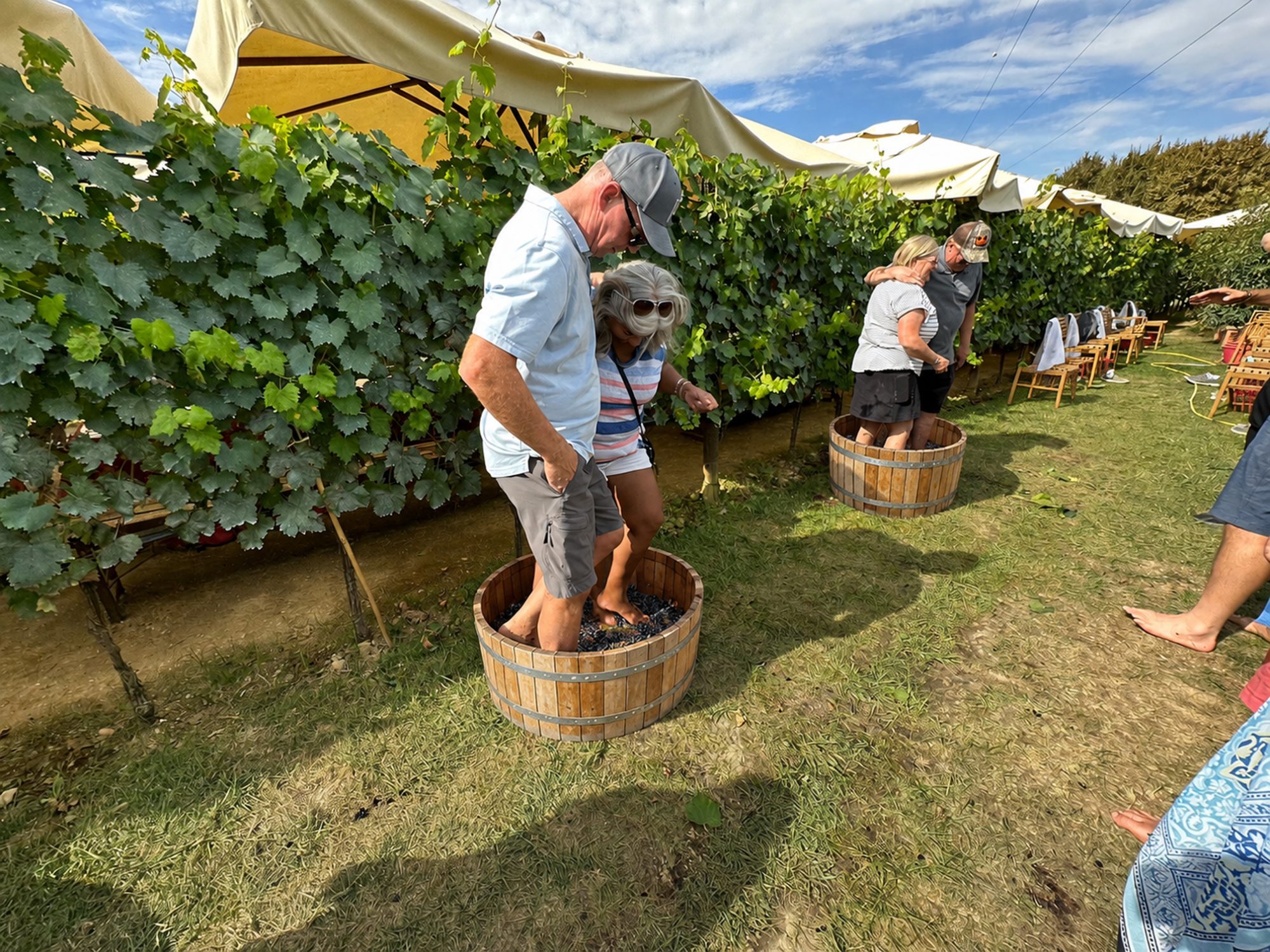
Grape stomping is the folkloric heart of the vendemmia: the image most people picture when they think of an Italian harvest. In commercial winemaking today, grapes are no longer crushed by foot; modern presses handle that work. But the ritual hasn't disappeared, it's been kept alive as a hands-on, joyful tradition for visitors. On the opening days of harvest season, guests at Tenuta Torciano can step into the vat and stomp grapes themselves, feeling the fruit underfoot exactly as generations of Tuscan families once did.
What Happens During an Educational Harvest Experience?
A hands-on day guided by the rhythms of the harvest: the feel of the grapes, their scent, and the juice underfoot.
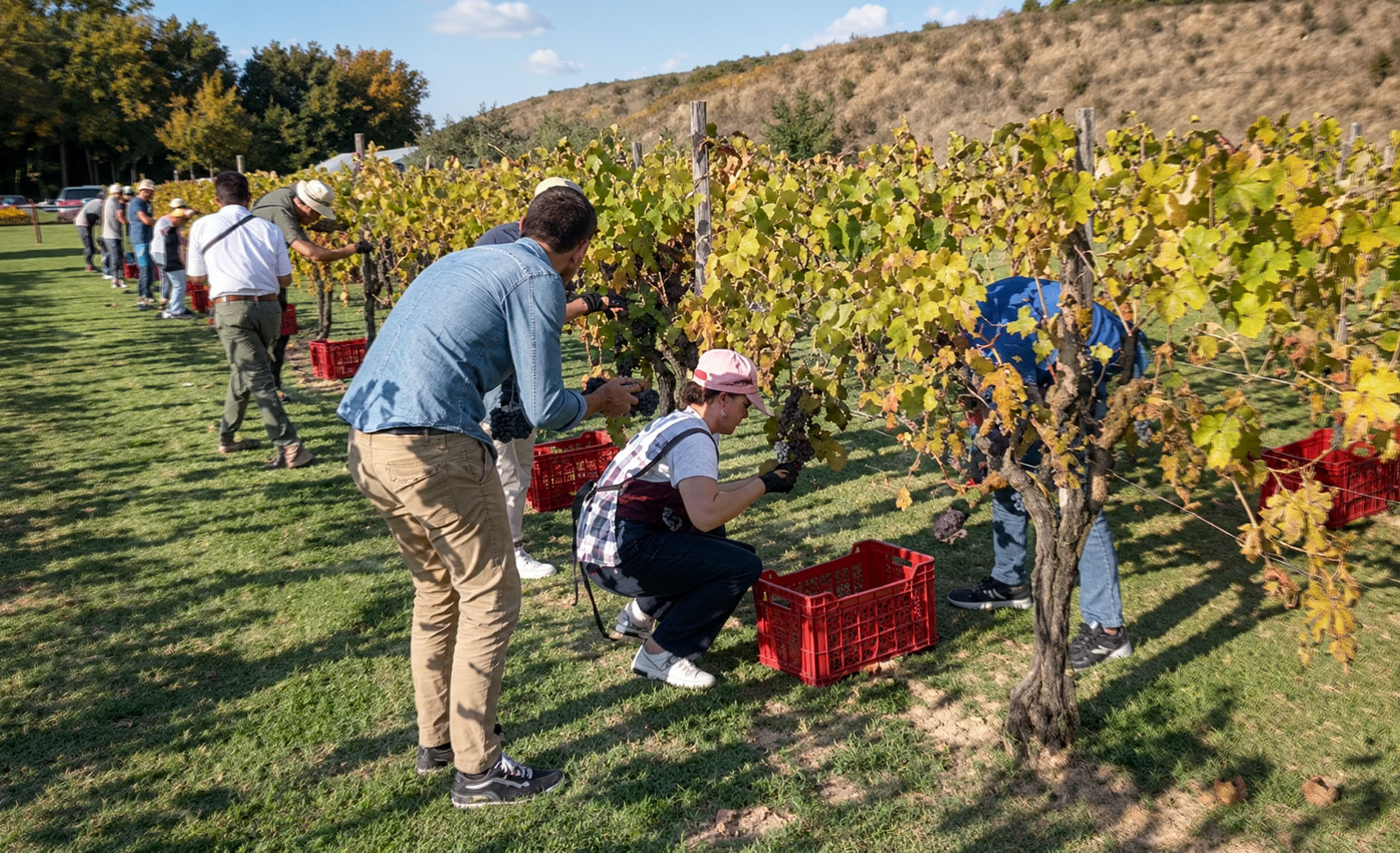
Into the Vineyard
Step into the rows with the estate's team and take in the harvest with every sense.
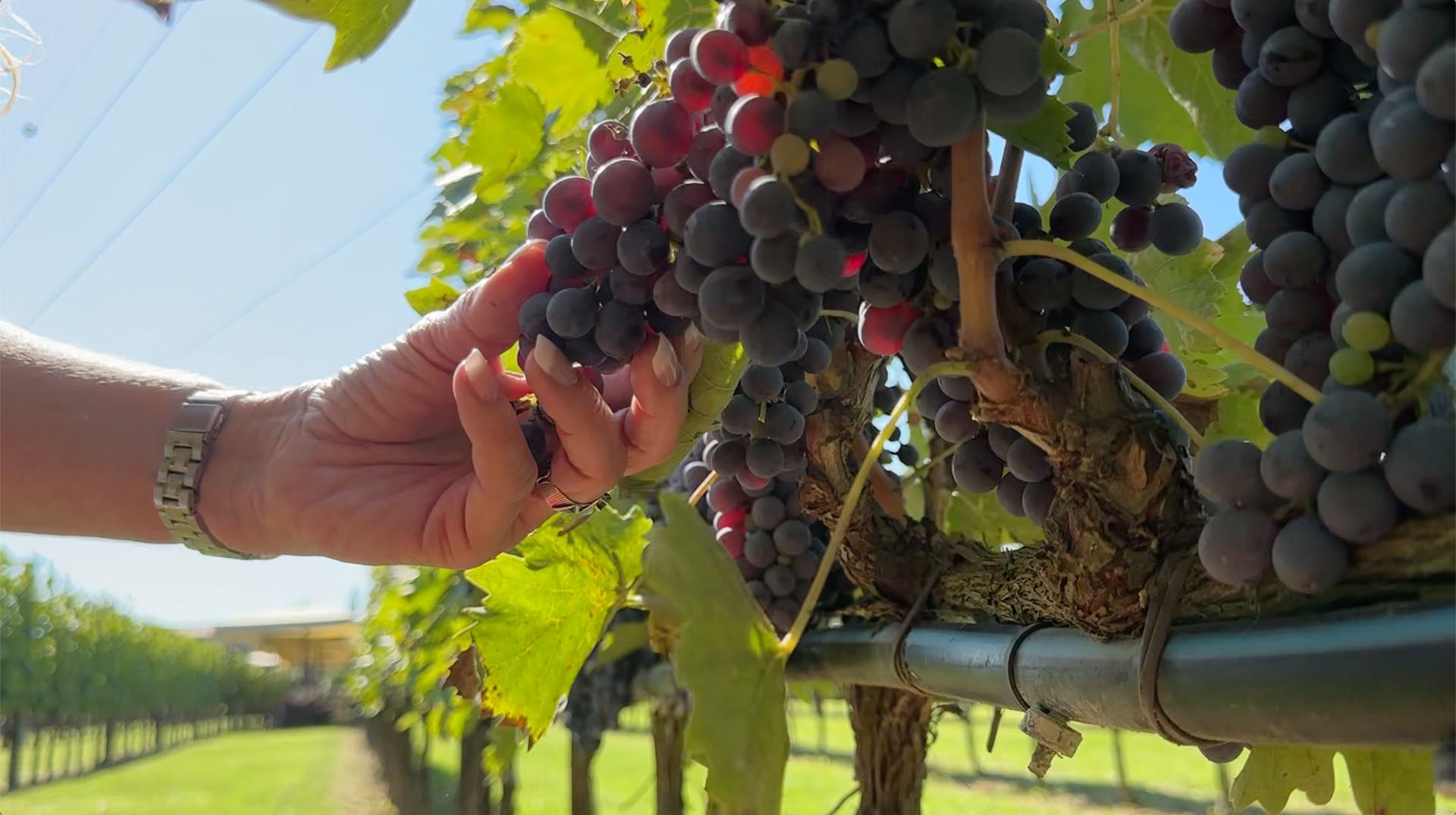
Feel the Grapes
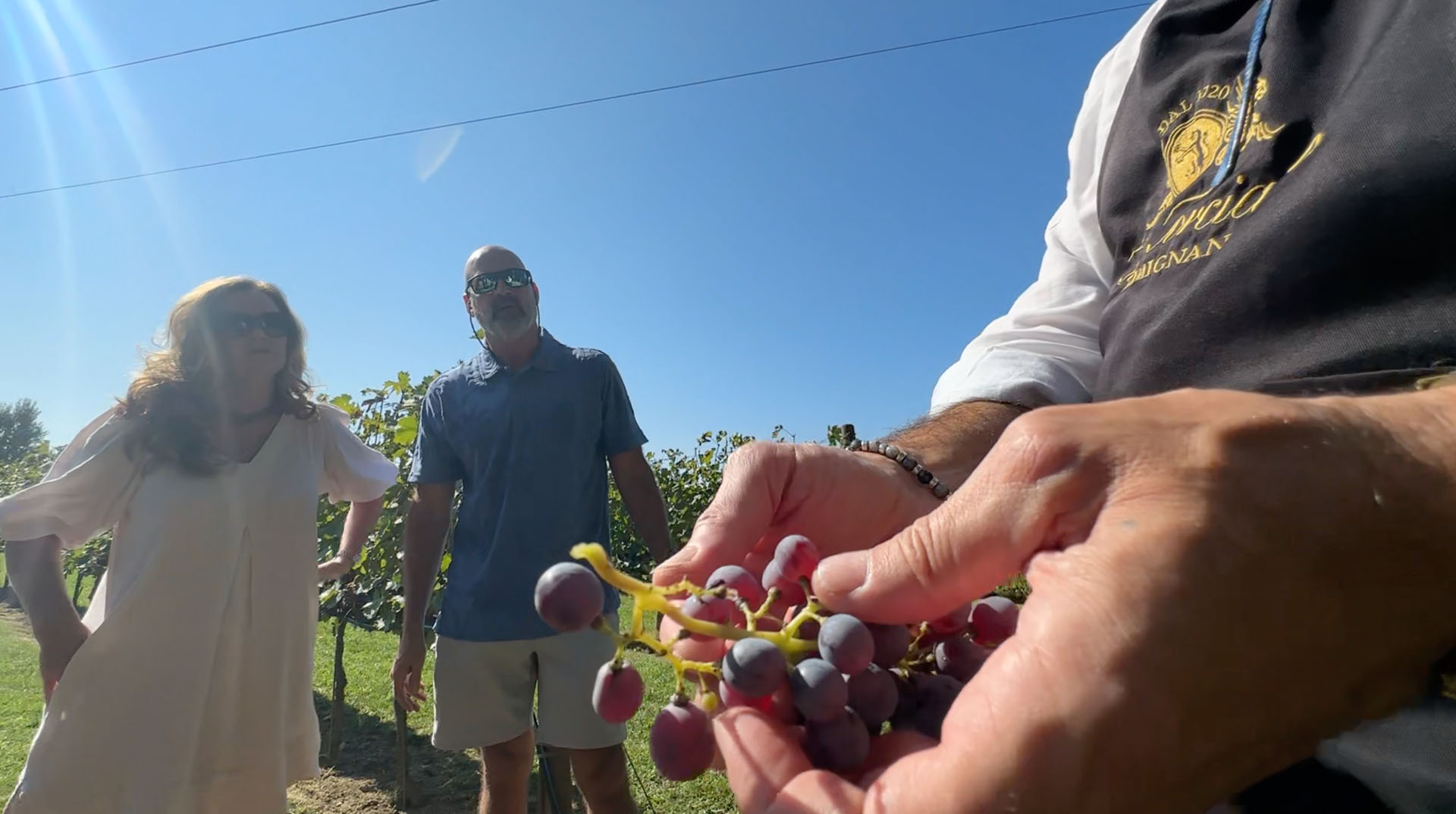
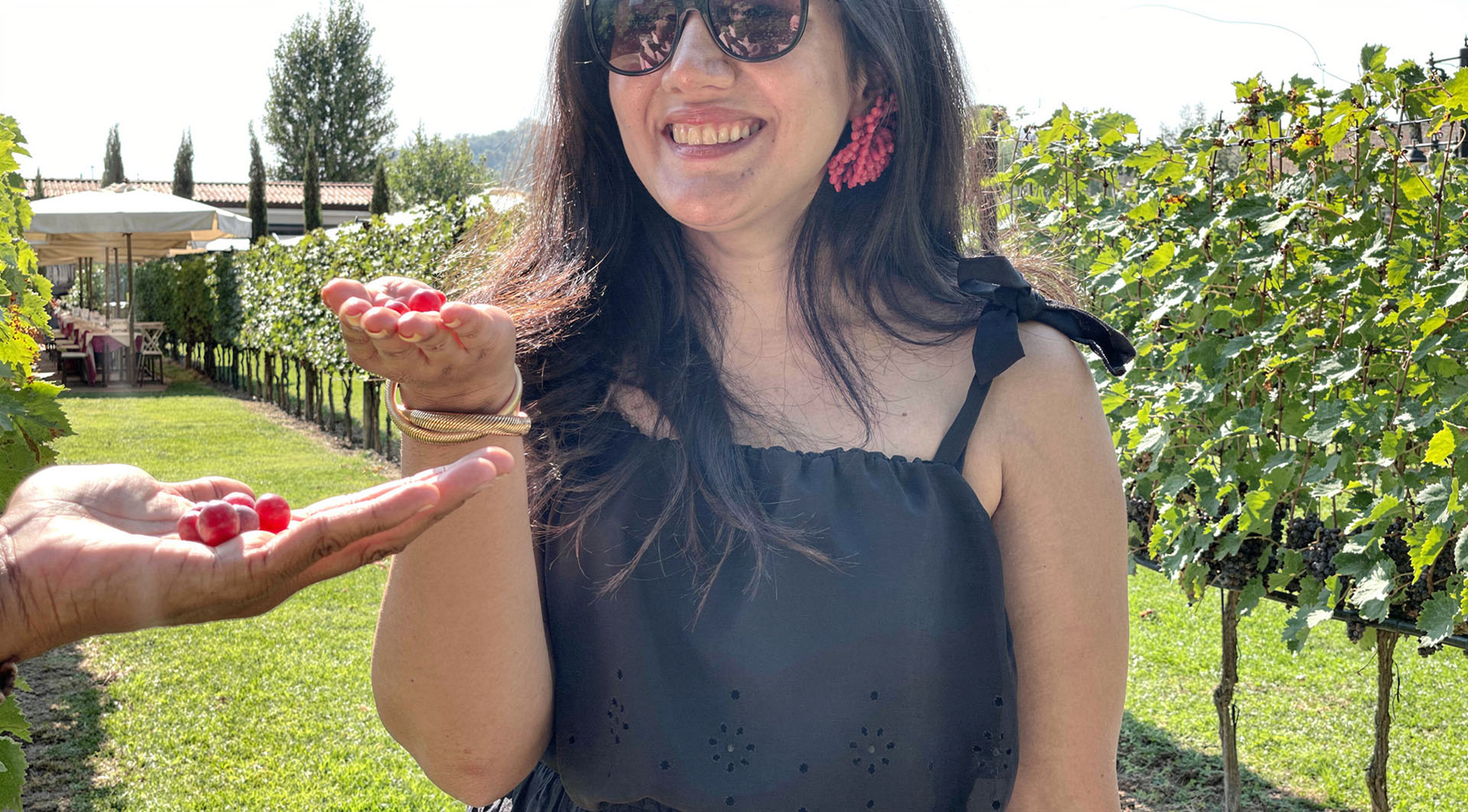
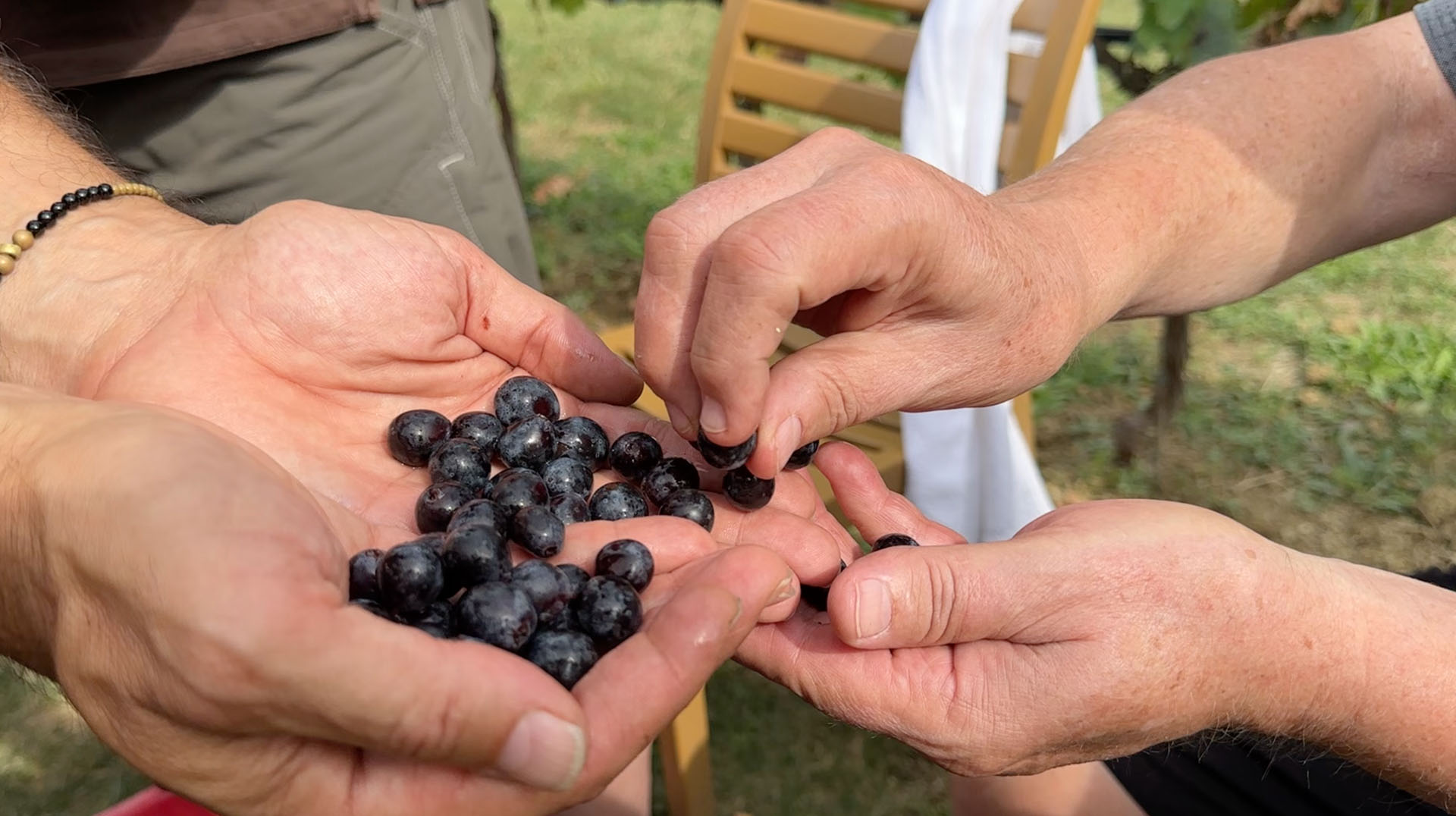
Weigh each cluster in your hands, testing ripeness by touch as you cut it free.
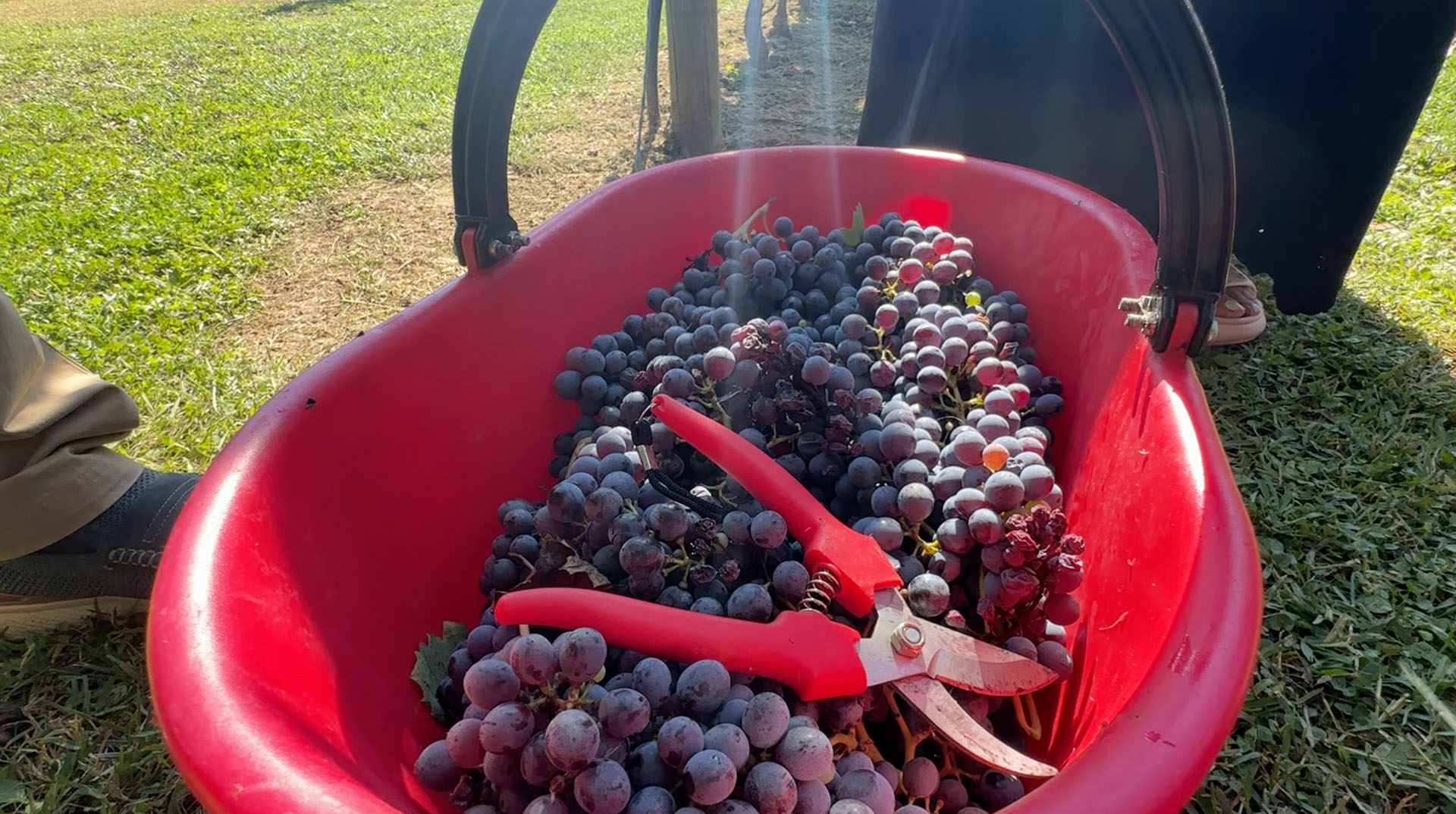
Gather the Grapes
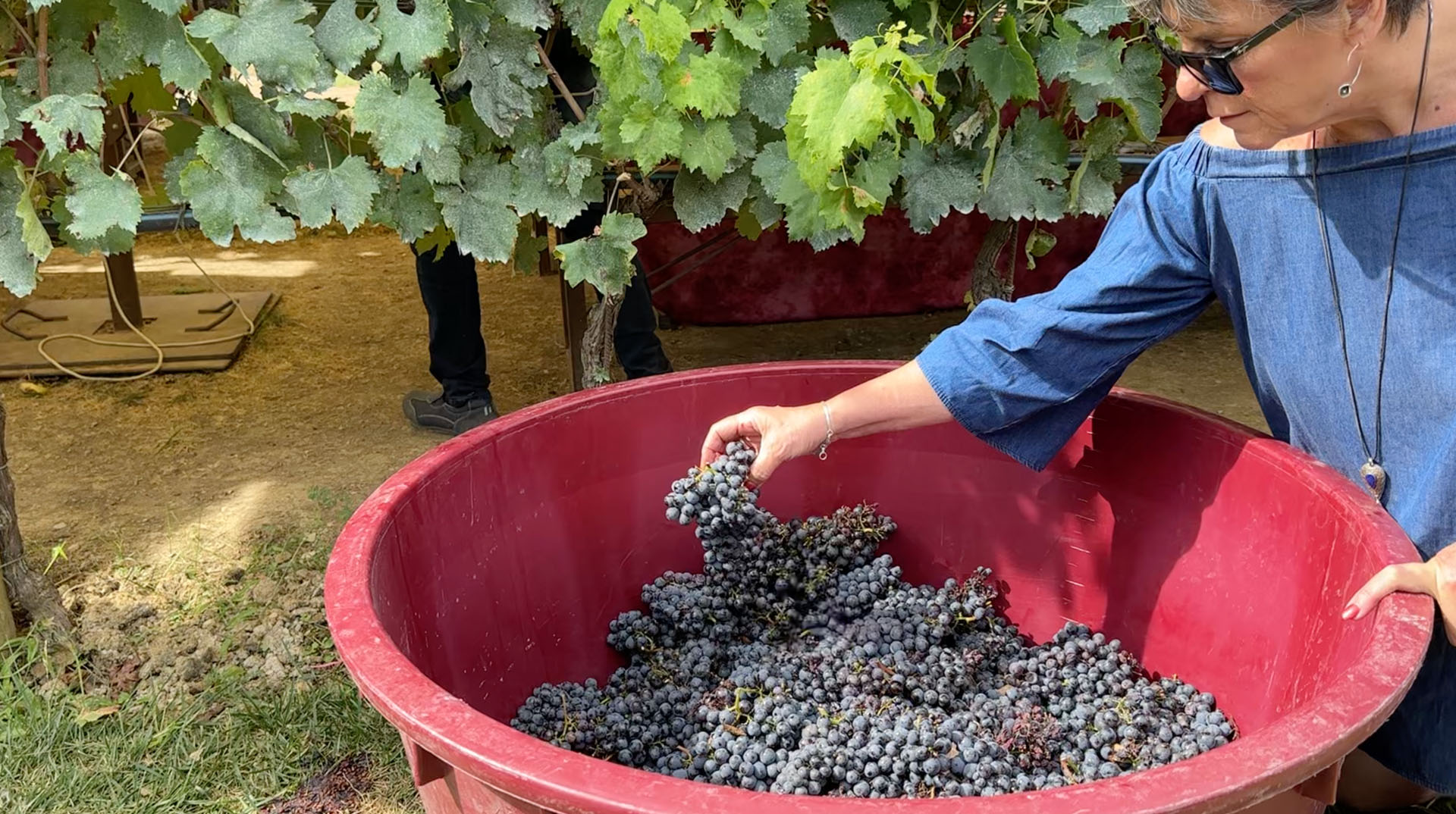
Collect the bunches, heavy and fragrant, straight from the vines.
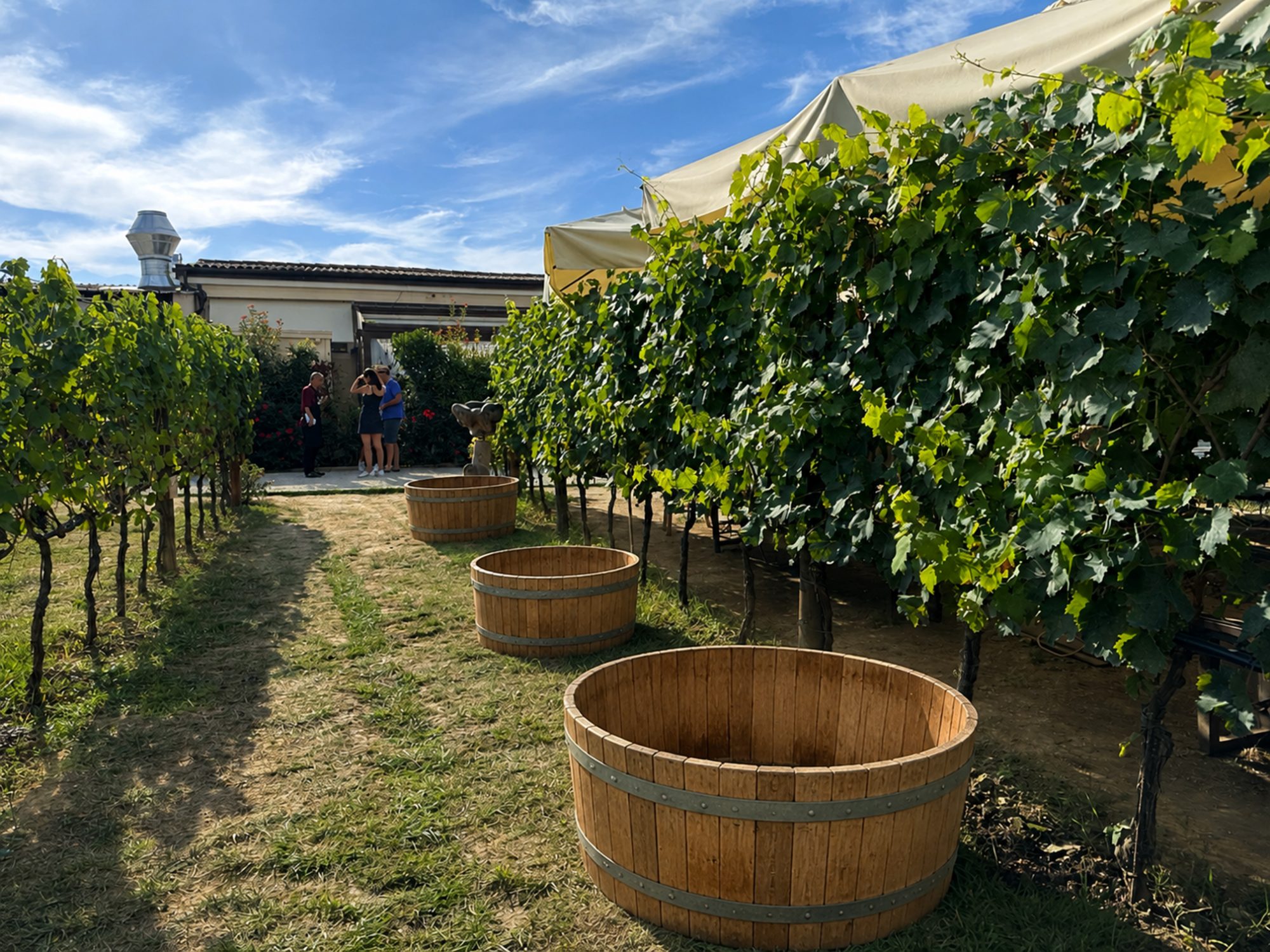
Back to the Vats
Return to the tenuta, where the traditional stomping vats, the tini, stand waiting.
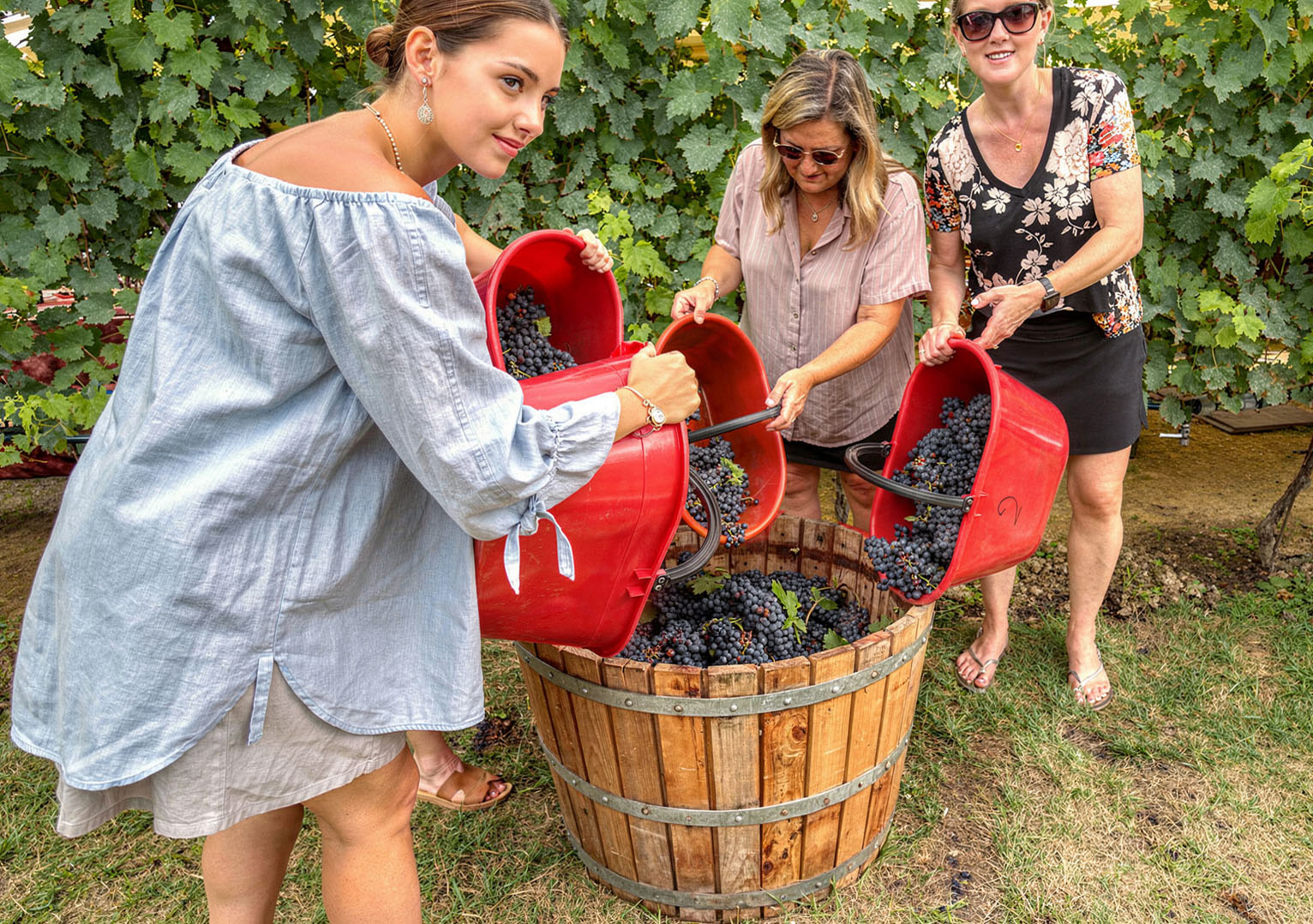
Into the Tini
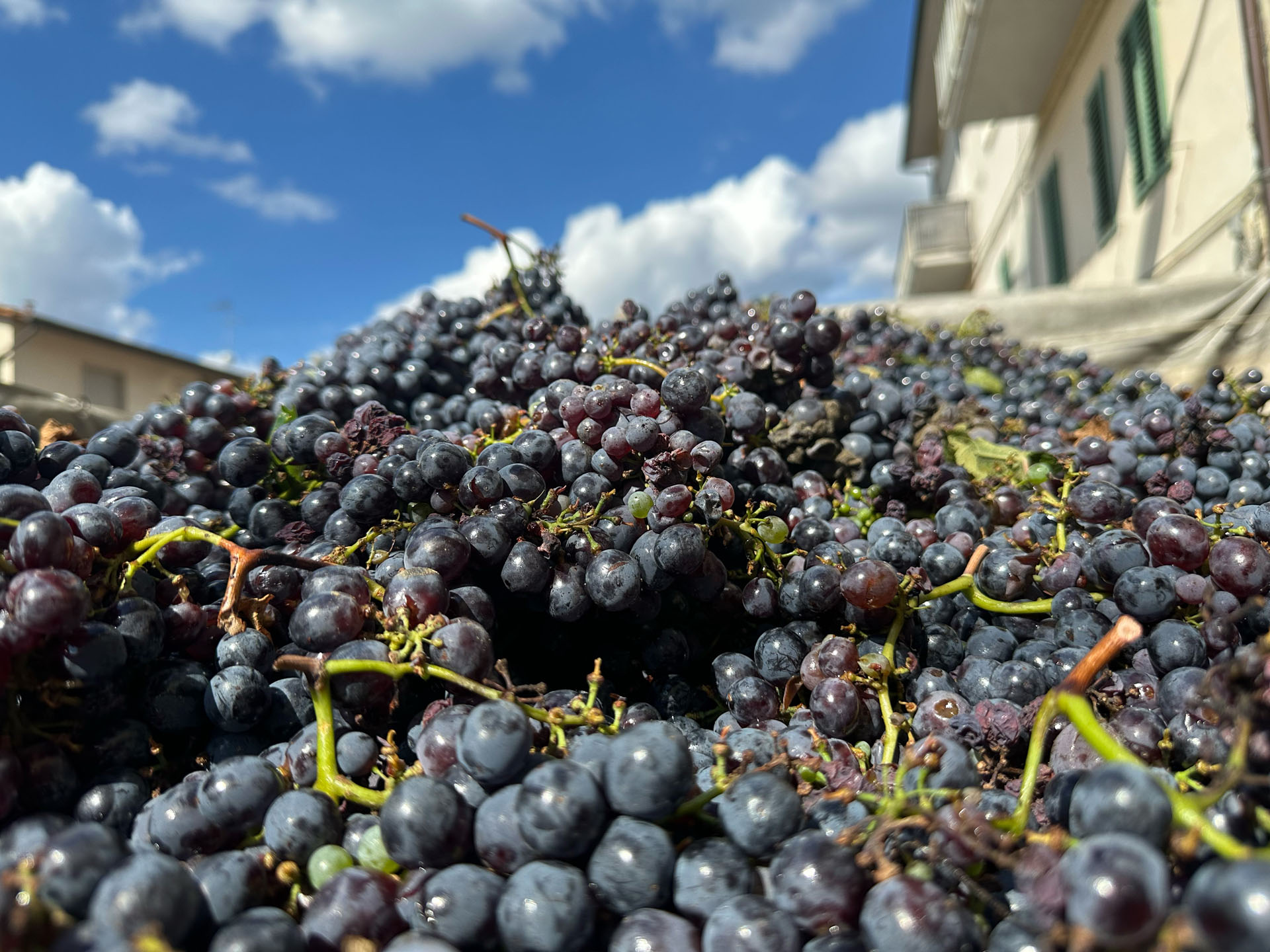
Tip the grapes into the vats and watch the skins split, juice and scent rising.
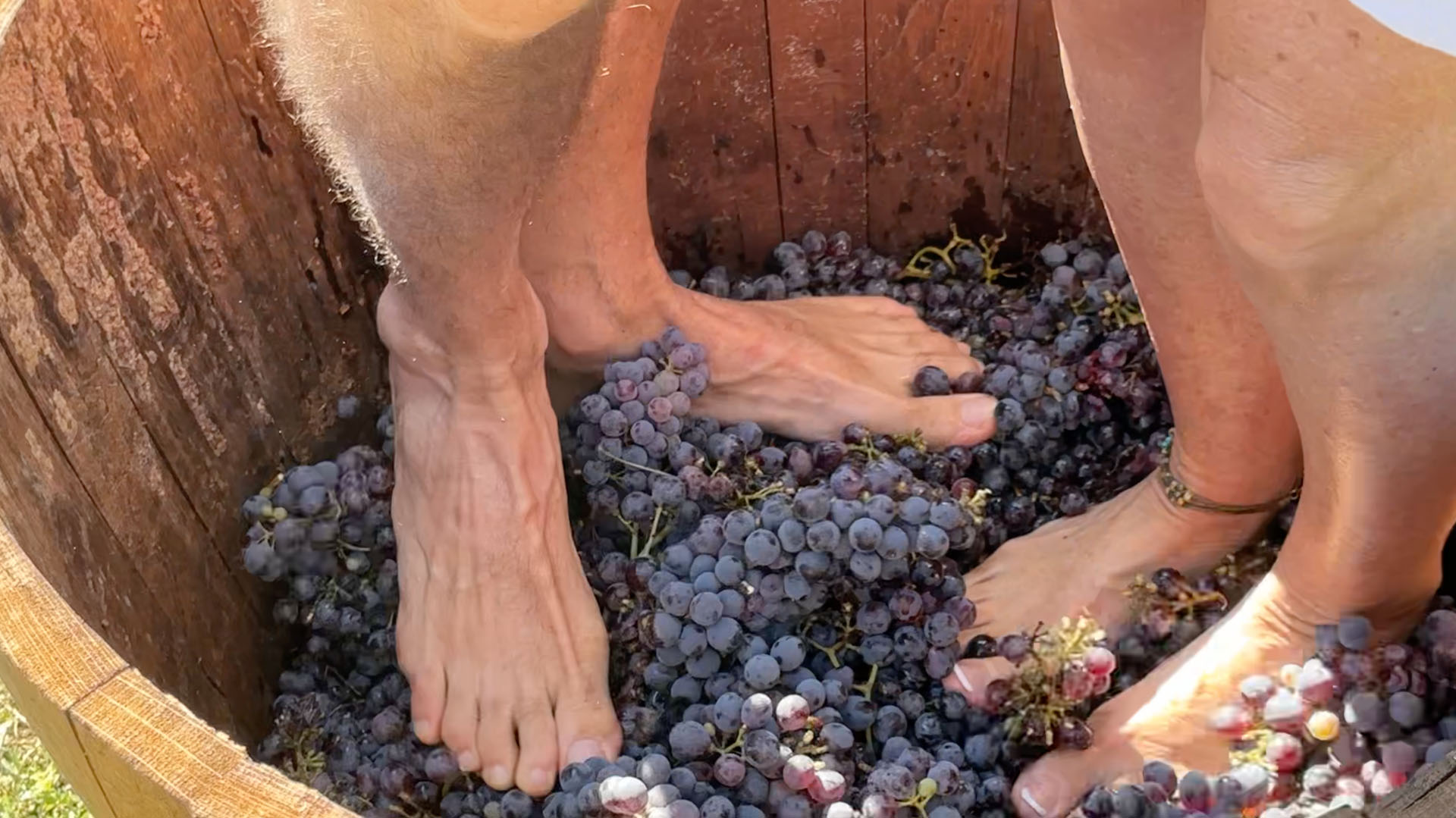
Stomp Barefoot
Climb in and crush the fruit underfoot: cool pulp and juice between your toes.
Swipe or use the arrows
Vineyard, cellar, tasting and a Tuscan lunch. All in one harvest day.
Reserve Your Harvest Day
Wines to Discover During Your Visit
The estate's vineyards showcase two varieties at the heart of San Gimignano's identity, offering a rare chance to see (and taste) the difference terroir and grape variety make within the same estate. A guided visit takes you through vineyard rows planted with both.
- Vernaccia di San Gimignano DOCG The region's historic white and one of Italy's oldest denominations.
- Sangiovese The backbone of Tuscany's great reds.
September or October: Which Month Should You Choose?
- Climate
- Warm days, cooler evenings
- Atmosphere
- High energy, early-harvest excitement
- Landscape
- Green vines turning gold at the edges
- Typical activities
- Grape stomping more likely (early harvest days)
- Climate
- Mild, golden autumn light
- Atmosphere
- Slower pace, deep autumn colors
- Landscape
- Vineyards in full autumn color
- Typical activities
- Later-ripening reds often still being picked
Keep in mind: the actual harvest calendar shifts with the vintage, so exact activities on any given date depend on how that year's season has progressed.
Follow the Grapes All the Way to the Vat
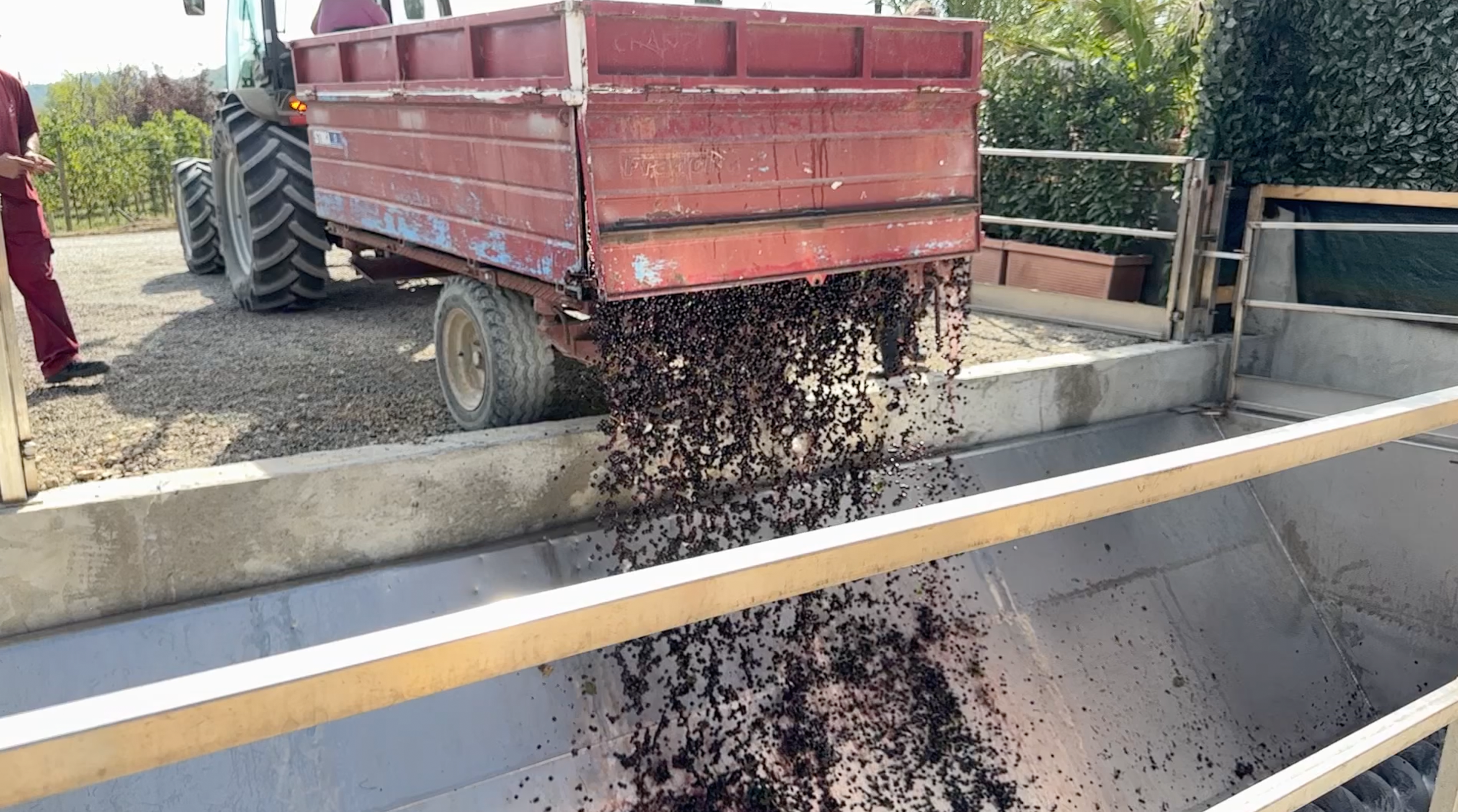
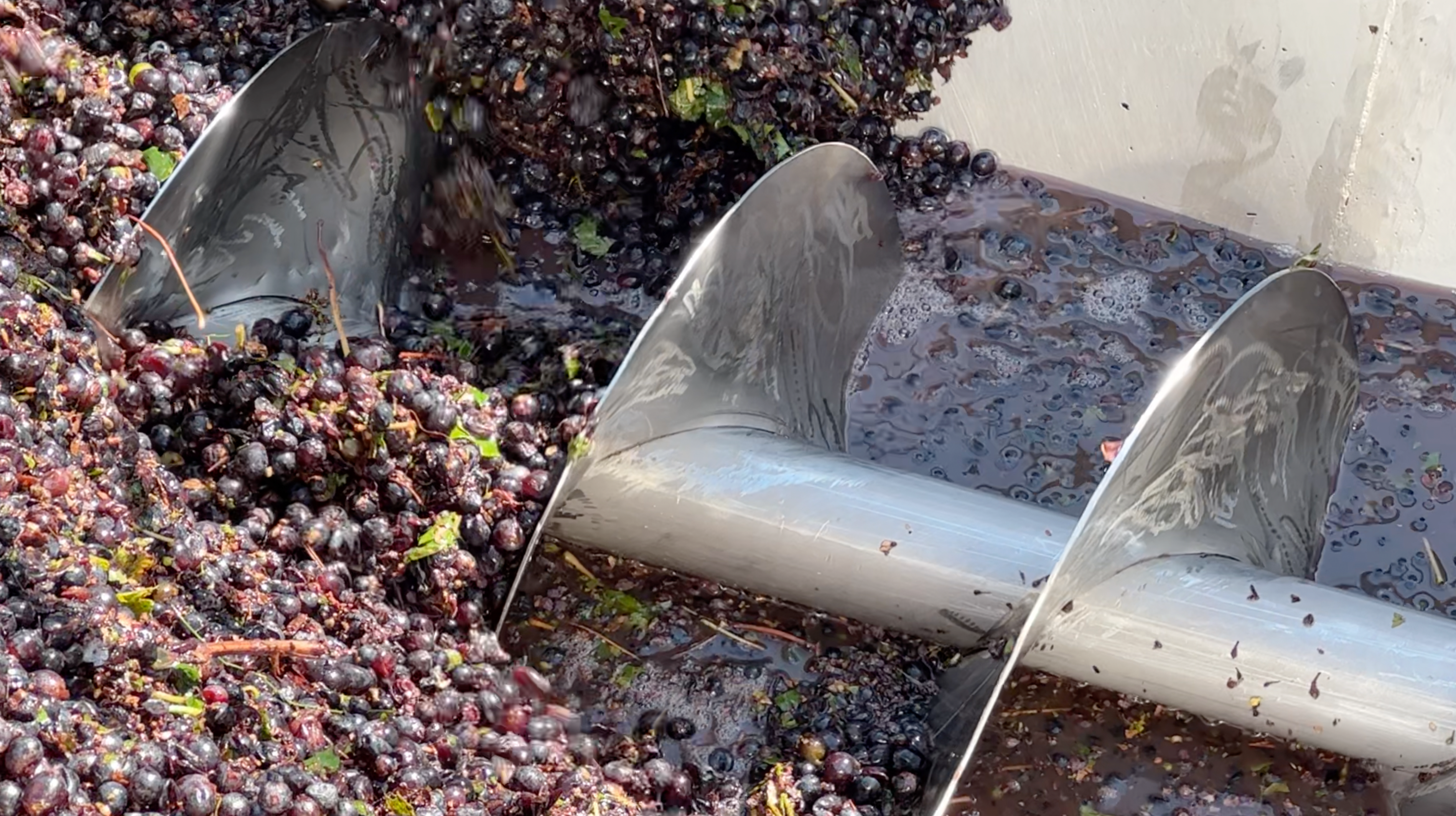
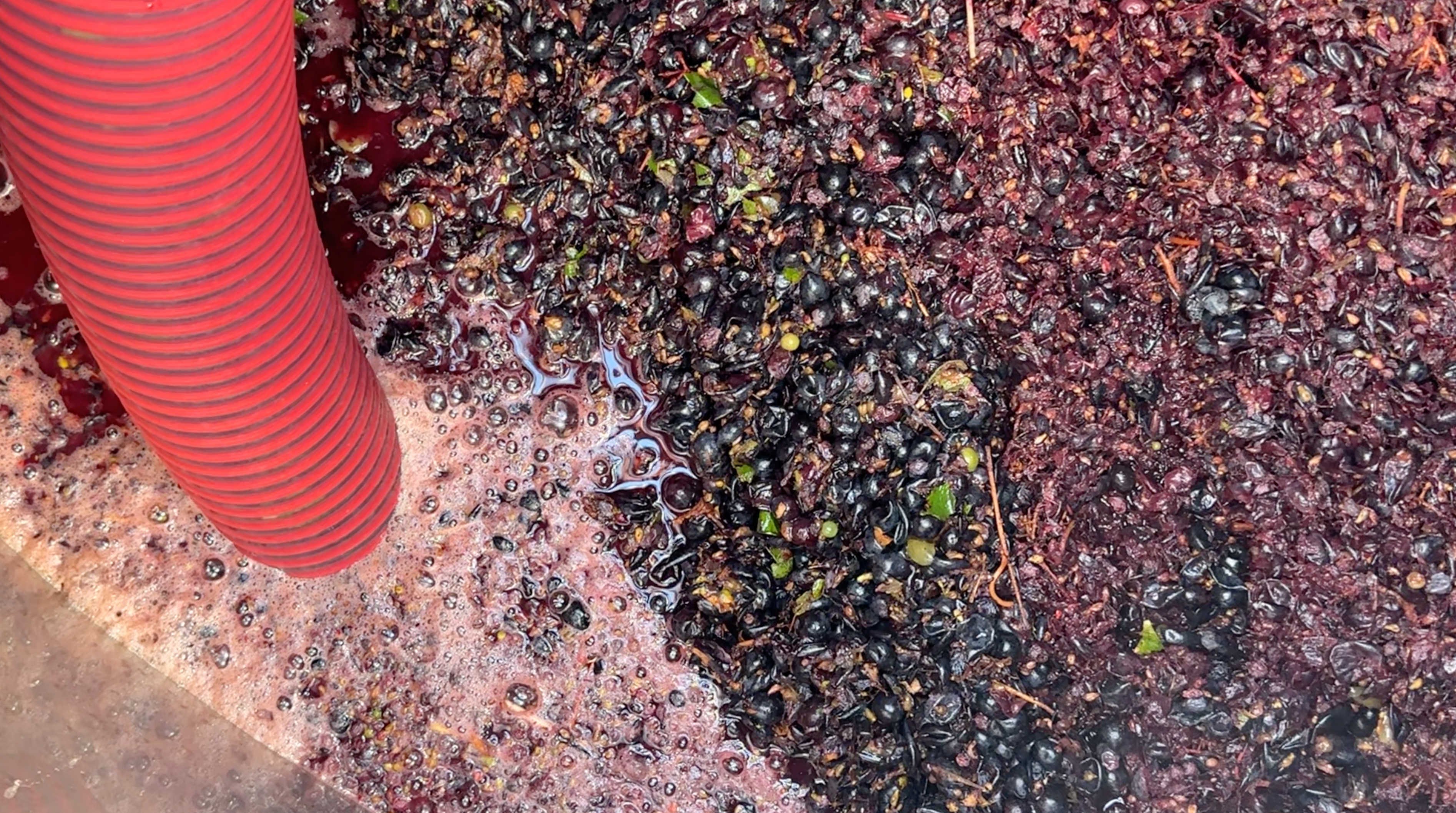
The experience follows every step of the harvest, from the first cut in the vineyard to what happens once the grapes reach the cellar. When the timing is right, you'll also see the mechanical side of the process: the tractor tipping the day's pick into the hopper, the destemmer separating fruit from stalks, and the must being pumped up into the fermentation tanks.
This part of the visit depends on availability and on the moment of the season, since it follows the real rhythm of the working cellar. When it happens, it's the clearest way to understand how the grapes you picked by hand truly begin their journey into wine.
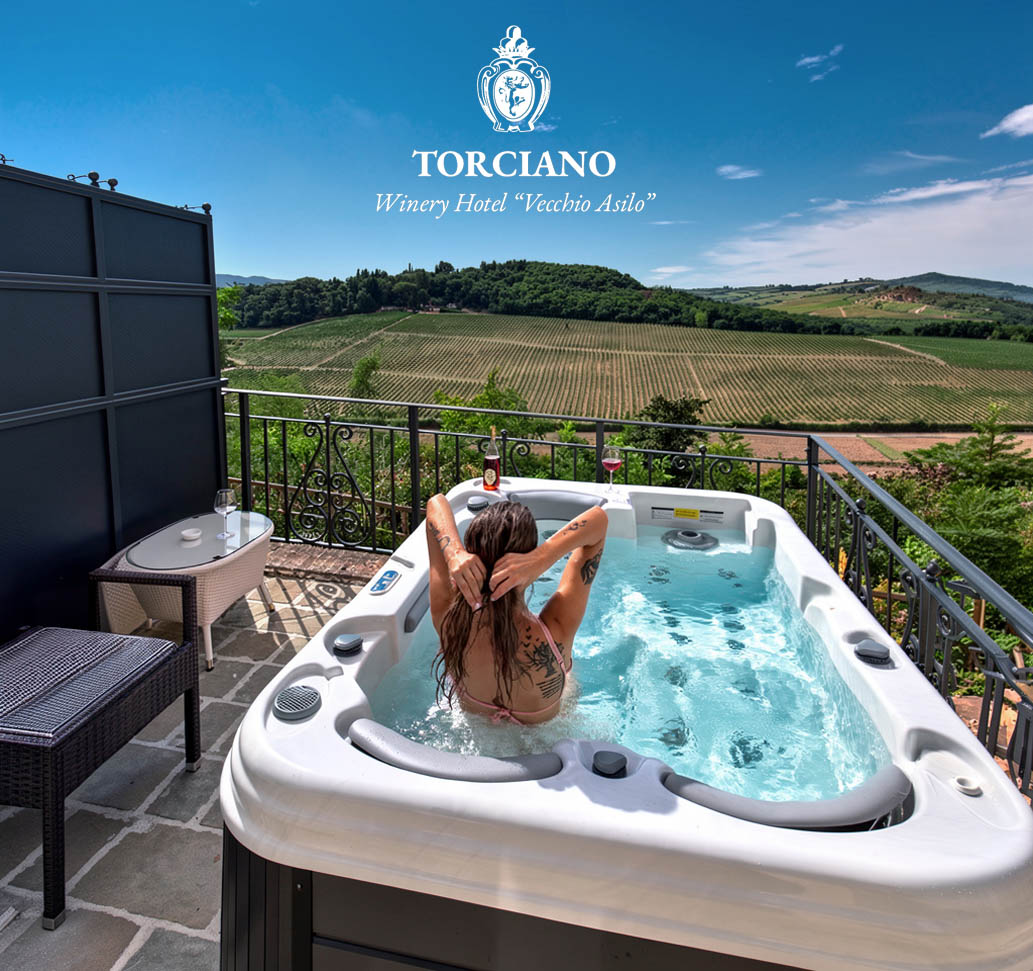
Extend Harvest Day with an overnight stay.
A harvest visit pairs naturally with a longer Tuscan stay. Start with the Harvest Experience: vineyard, grape stomping, cellar, tasting and lunch, then stay overnight at Hotel Torciano "Vecchio Asilo", just steps from the estate. For contrast, add a visit to Altezza Winery, the family's more intimate estate perched above San Gimignano, for dining on a panoramic terrace with an astonishing view over the towers of San Gimignano, and a different, more exclusive side of the same wine story. Round out your stay with time among the medieval towers of San Gimignano itself. Torciano's calendar already builds around moments like these. During Festa del Borgo, for example, guests can combine the vendemmia with an overnight stay and a village celebration on the estate.
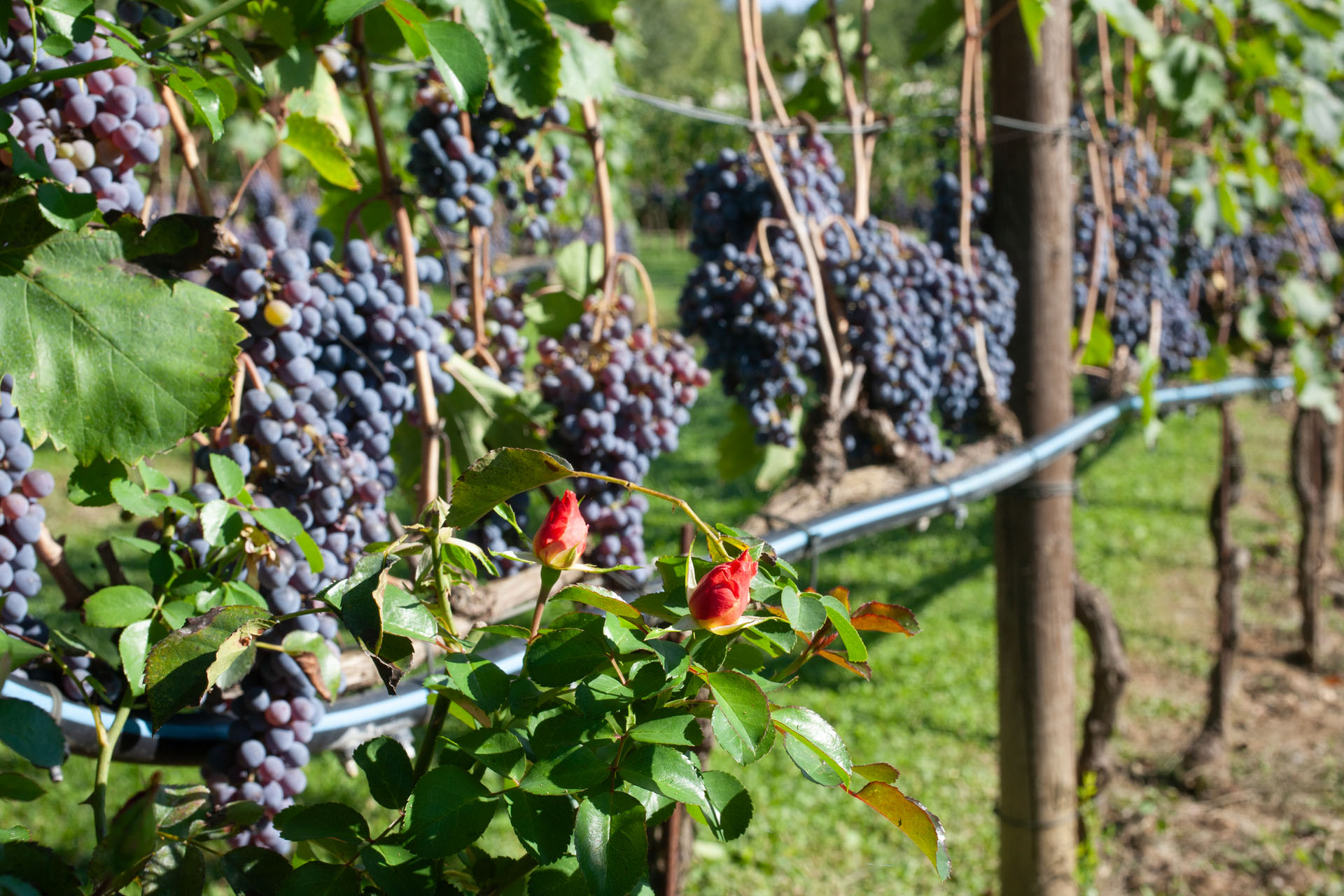
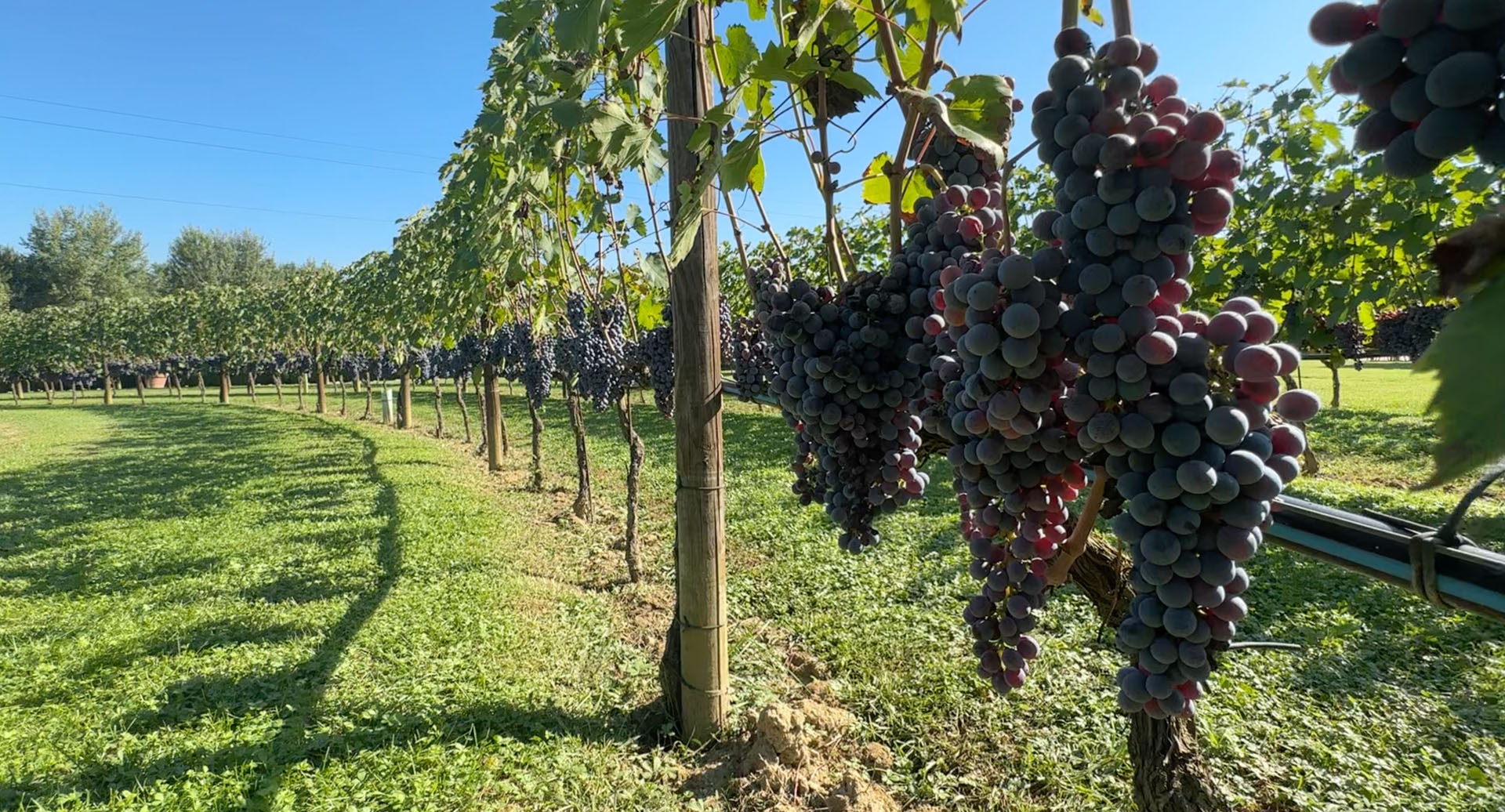
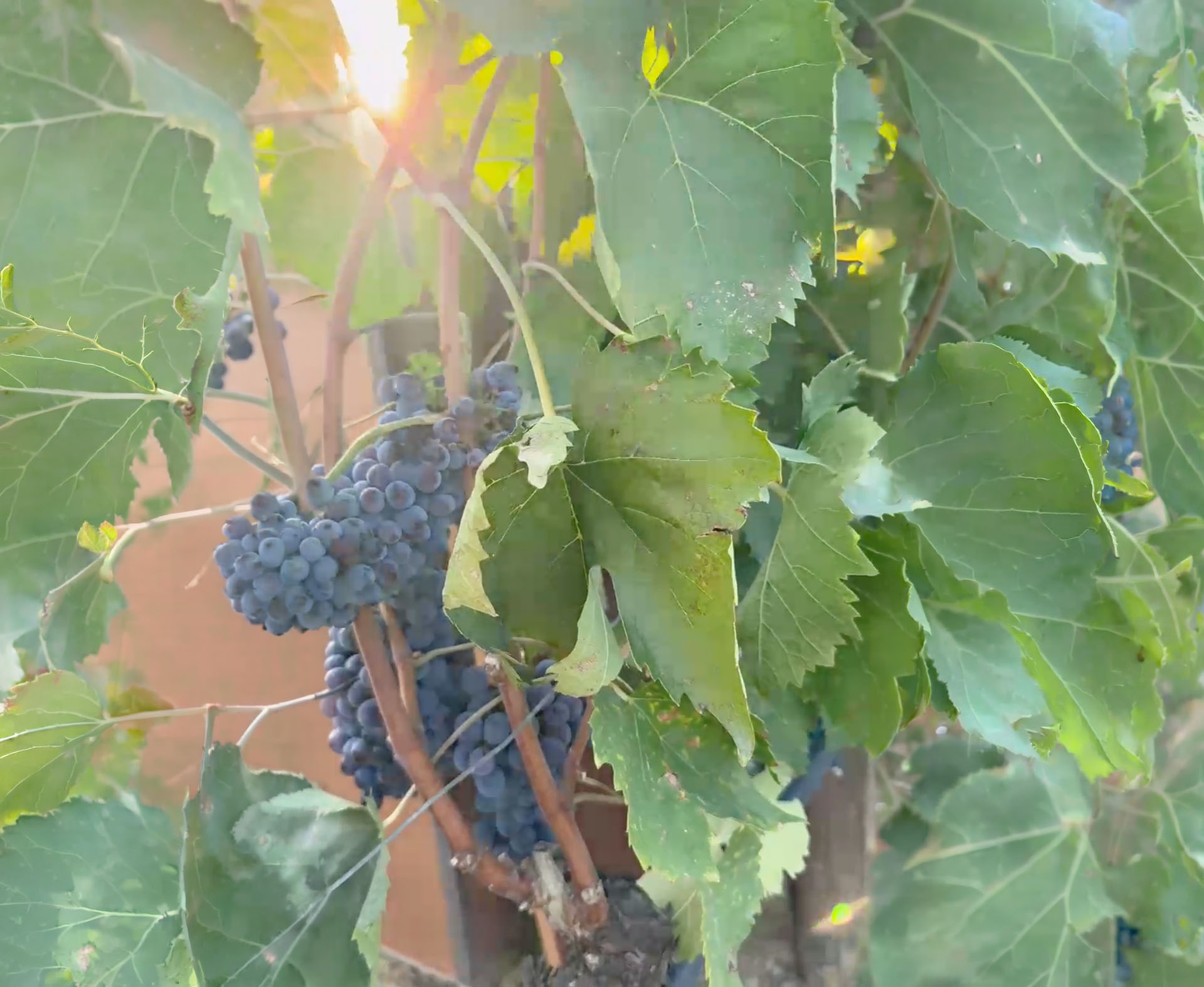
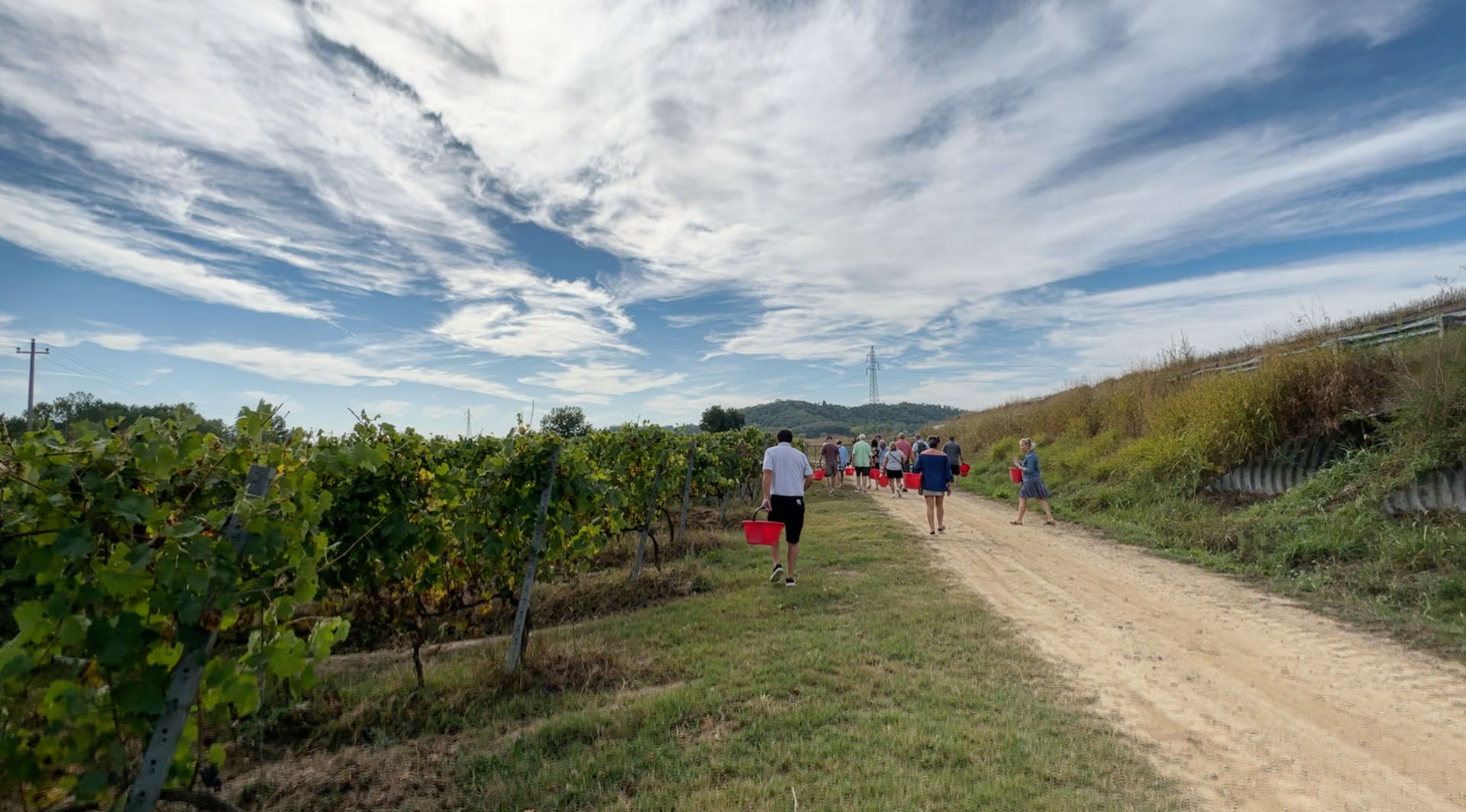
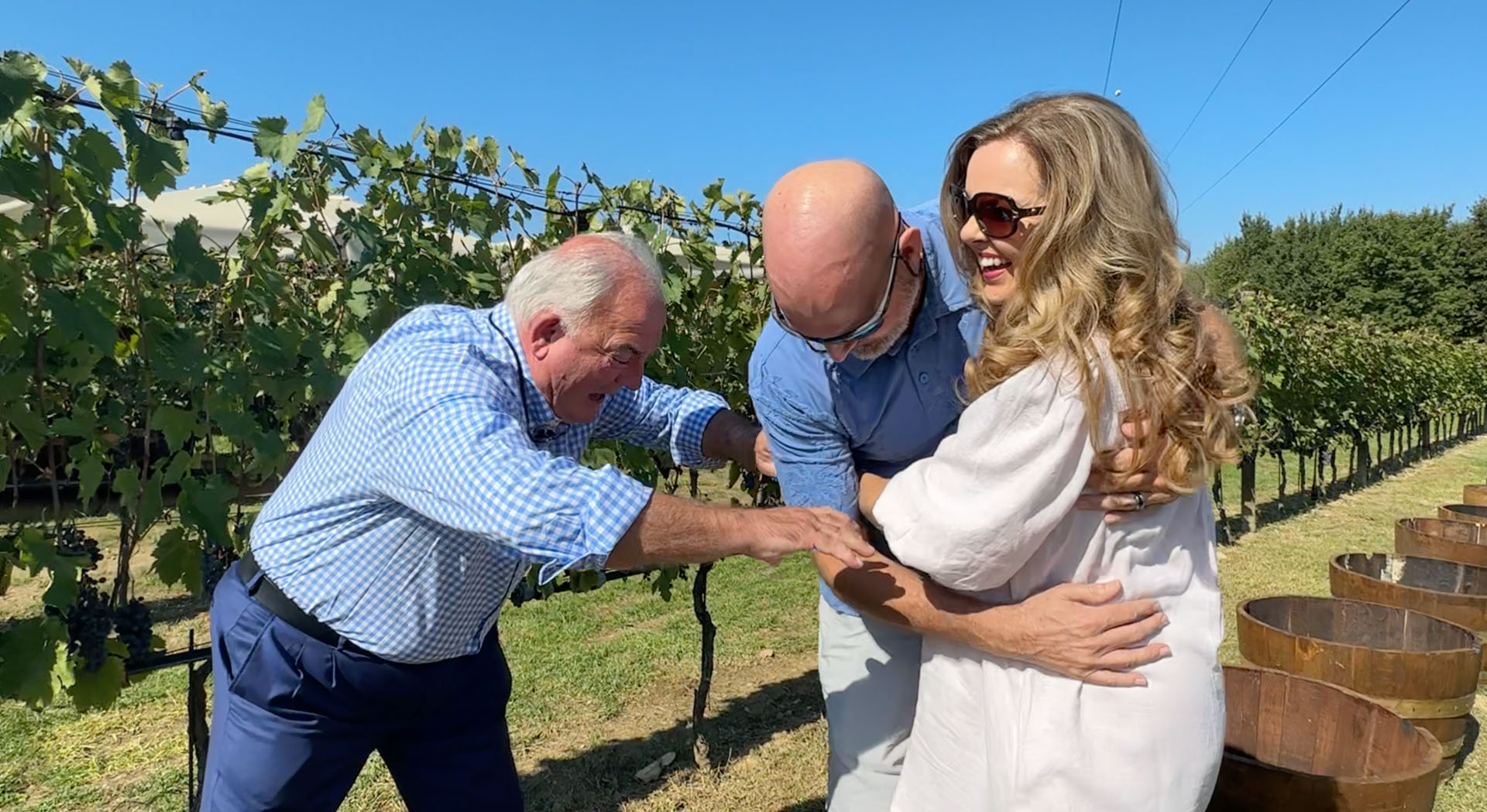
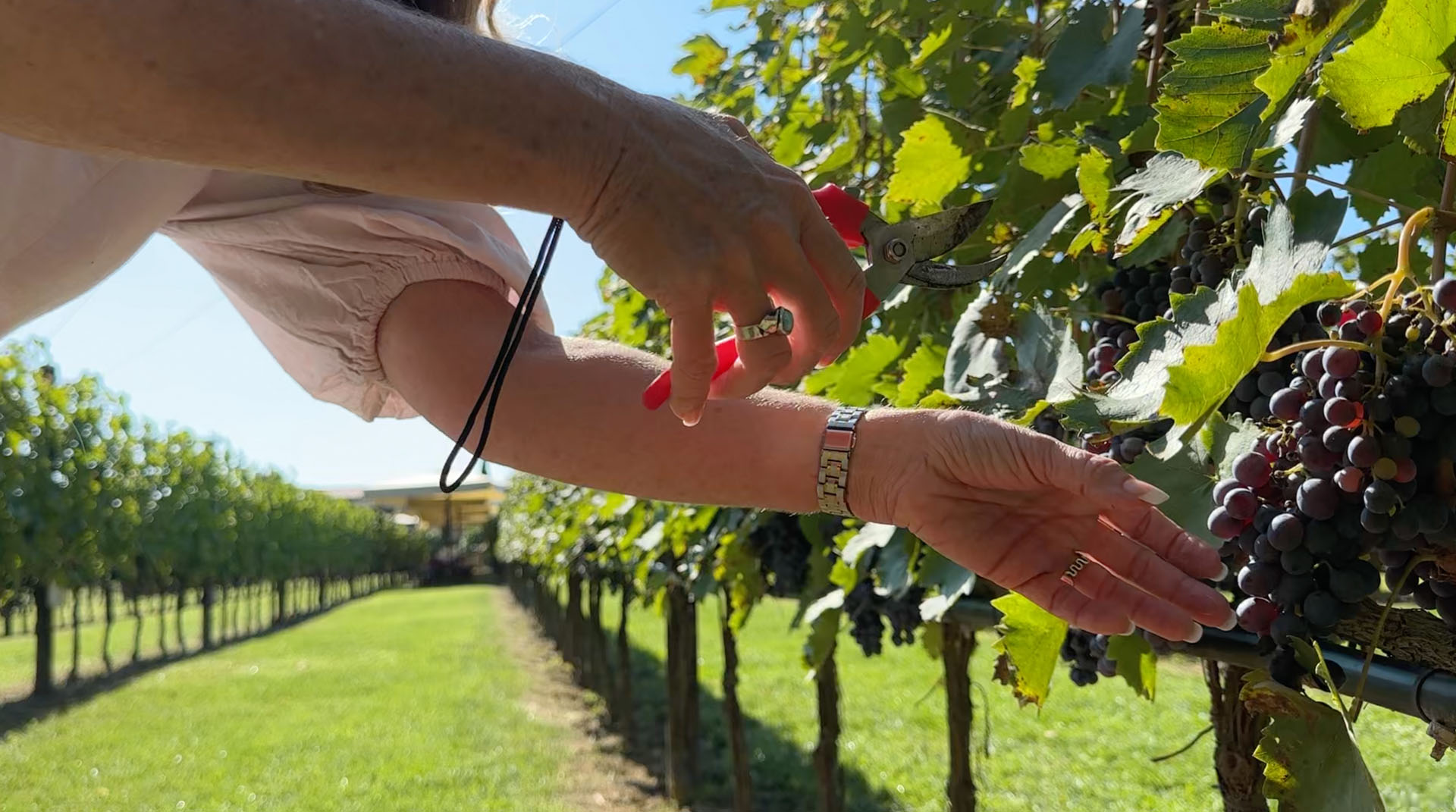
Moments from the Harvest
Frequently Asked Questions
When is grape harvest season in Tuscany?
Broadly, from late August through early November, though the exact window shifts every year with the weather and the grape variety. White varieties tend to come in first, reds later: Tenuta Torciano's Harvest Experience runs each year from September 1st to October 31st.
Can tourists participate in the vendemmia?
Yes, absolutely: this isn't a spectator experience. At Tenuta Torciano, visitors join the estate's own team in the vineyards, pick grapes alongside the winemaker, and get a real, hands-on feel for how the harvest actually works, from vine to cellar.
Where can I try grape stomping in Tuscany?
Tenuta Torciano keeps the tradition alive for guests during the opening days of harvest season: step into the vat and stomp grapes the way Tuscan families have for generations, then toast the moment with a proper Tuscan lunch among the vines.
Is August too early for the grape harvest in Tuscany?
Not at all: the Educational Harvest Experience begins on August 10th, right in the heart of the Tuscan summer. It's a season of festivals and long evenings, with Ferragosto celebrations and dinners set out among the vines. Coming in August means warm, golden days, the first excitement of the harvest getting underway, and the countryside at its most alive.
Is September a good month for Tuscany wineries?
Yes: mid-August through mid-October is arguably the best stretch of the year to visit. Vineyards are alive with harvest activity, the light turns golden in the late afternoons, and there's a real sense of anticipation across the whole estate.
Is October too late for grape harvest in Tuscany?
Not at all: later-ripening reds are often still being picked well into October, and in some years activity continues toward early November. Autumn in the vineyards brings its own beauty too: deep colors across the hills and a quieter, more intimate pace than the early-September rush.
Is November too late for the grape harvest in Tuscany?
Not too late at all: the experience runs right up to November 10th. By then the vineyards have turned to deep reds and golds, offering some of the most romantic views of the whole year. It's the ideal time to enjoy a warm, welcoming, pre-winter Tuscany, with quiet hillsides, colourful landscapes, and long lunches by the fire after a morning in the vines.
What should I wear during a vineyard harvest?
Comfortable closed shoes are essential: you'll be walking on hilly, sometimes uneven vineyard terrain. Light layers work well for warm days and cooler mornings, and it's worth bringing something you don't mind getting a little stained if you try your hand at grape stomping.
Can children participate in harvest experiences?
Absolutely, and it's part of what makes the vendemmia special. The harvest at Tenuta Torciano is a true "vendemmia didattica", an educational, hands-on experience where children take part alongside the family and the estate's team. Passing a cluster of grapes from one generation to the next is how these traditions stay alive: it's a gentle, joyful way to introduce young visitors to Italian culture, the rhythms of the land, and the values of respect and conviviality that the harvest has always carried.
What wine is San Gimignano famous for?
Vernaccia di San Gimignano, which in 1966 became the very first Italian white wine to be awarded DOC status (Denominazione di Origine Controllata). Its fame goes back centuries: it was celebrated in the days of Lorenzo de' Medici and even earned a mention by Dante in the Divine Comedy. It remains the grape most closely tied to this stretch of Tuscany, and the area is also known for excellent Sangiovese-based reds, both very much part of the Torciano harvest tasting.