
Lasagna: a dish with a thousand possible variations – 2021
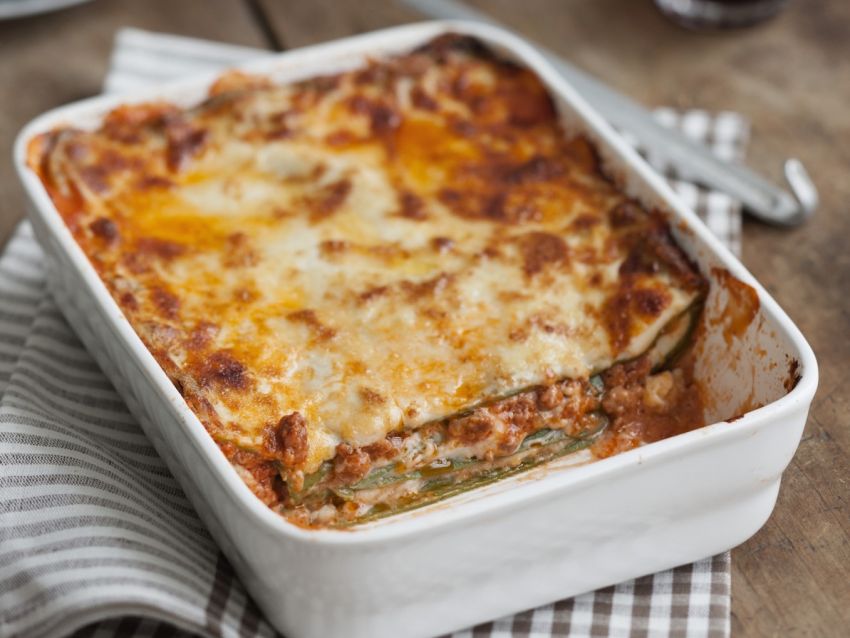
Say lasagna and think of Italy. Kitchen with scent of sauce and fried, the tables set out on Sundays, family lunches that never end. A dish with a thousand variations and anecdotes, a milestone of Italian cuisine that every grandmother claims to possess the perfect recipe.
Lasagna is a way of proposing pasta that goes through our entire food Middle Ages.
The origins of this dish go back to ancient Rome: the Romans, in fact, with the term “laganon” and “laganum” indicated a thin sheet obtained from a dough based on wheat flour, which was cooked in the oven or directly on the fire. But he only remotely remembered the lasagna we know today: it was simply a mess of pasta and meat in bulk. In the Middle Ages this type of lasagna spread so much that it was mentioned in numerous works by poets. In the Emilia Romagna region it appeared only later with the arrival of egg pasta in Northern Italy (during the Renaissance period): today’s lasagna was born in Emilia, completed a century later by the arrival of the tomato sauce from Naples. In fact, while the Emilian recipe included the use of béchamel and mixed meat, in its Neapolitan version these ingredients were replaced by ricotta, then combined with puff pastry (or egg pasta), meat sauce, meatballs and mozzarella cheese.
Each Region has elaborated its variants: in mountain areas, for example, often the meat sauce is replaced by mushrooms.
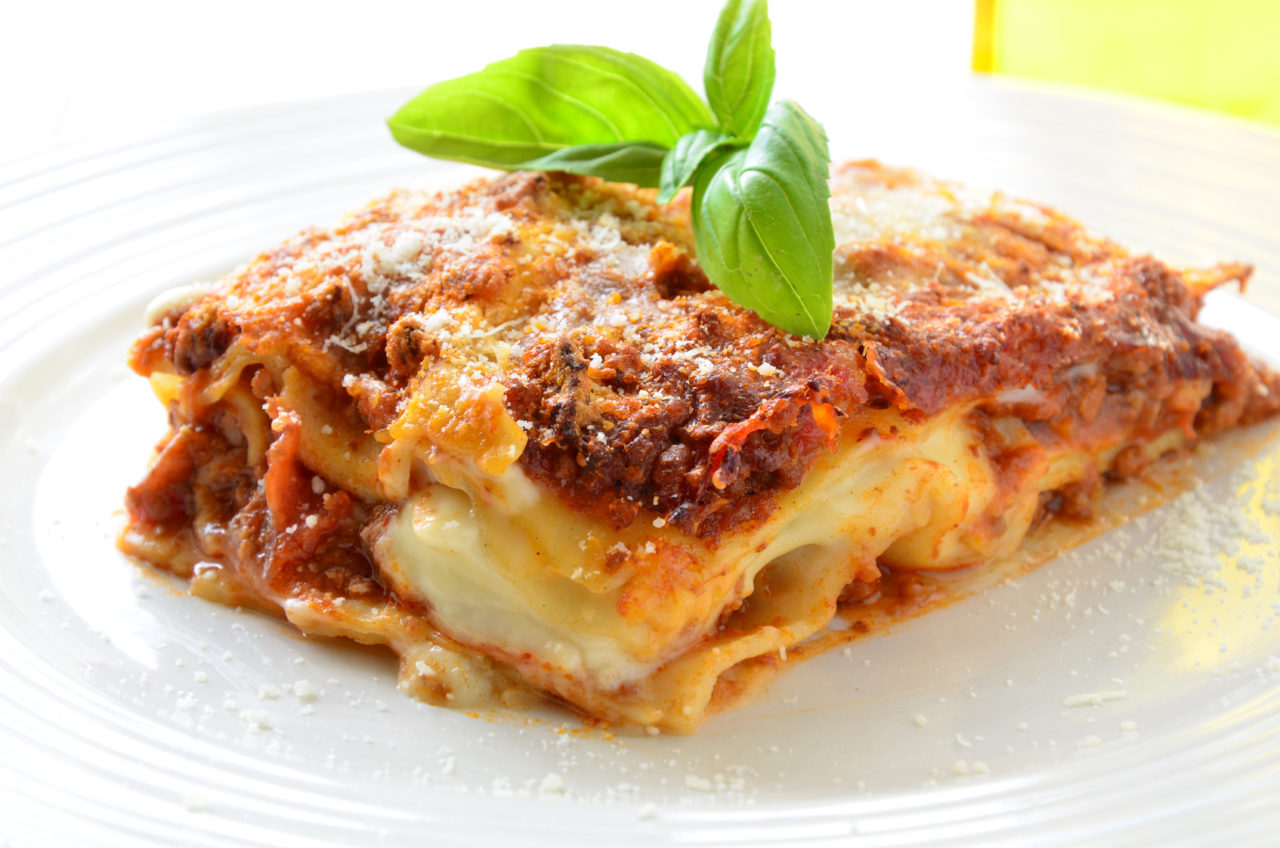
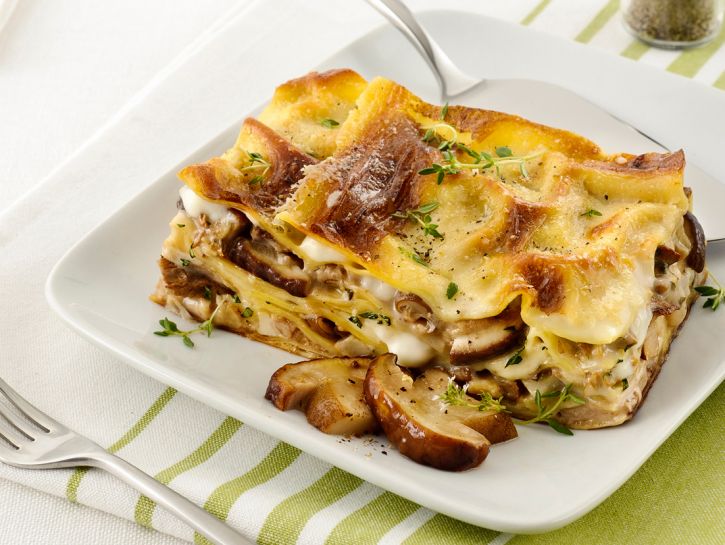
The original recipe does not recite the precise proportions of the relationship between flour, water and yeast, but we can use a pizza dough recipe with the following ingredients: about 400 grams of white flour; 30 cl of water; 9 grams of salt; 20 grams of fresh yeast.
Method
The yeast is diluted in water and then mixed with the flour, obtaining a soft dough that will have to rest for an hour, covered with a cloth protected from drafts.
The dough, spread over an abundantly floured cutting board, must be worked until it reaches a height of about one and a half millimeters and then cut into squares of at least 4 or 5 cm of side.
At this point, in the boiling salted water, the lasagne will be thrown for about 3 minutes. Once cooked they will be al dente and the taste of the flour will no longer be felt.
These lasagna will be placed in layers in a pan, placing plenty of Parmigiano and some “good spices” minced (pepper and cinnamon). The fourteenth-century recipe book advises to consume them using a pointed wooden stick, thus debunking the common idea that at the medieval tables we used only the hands, anticipating the return of the forks on the aristocratic tables.
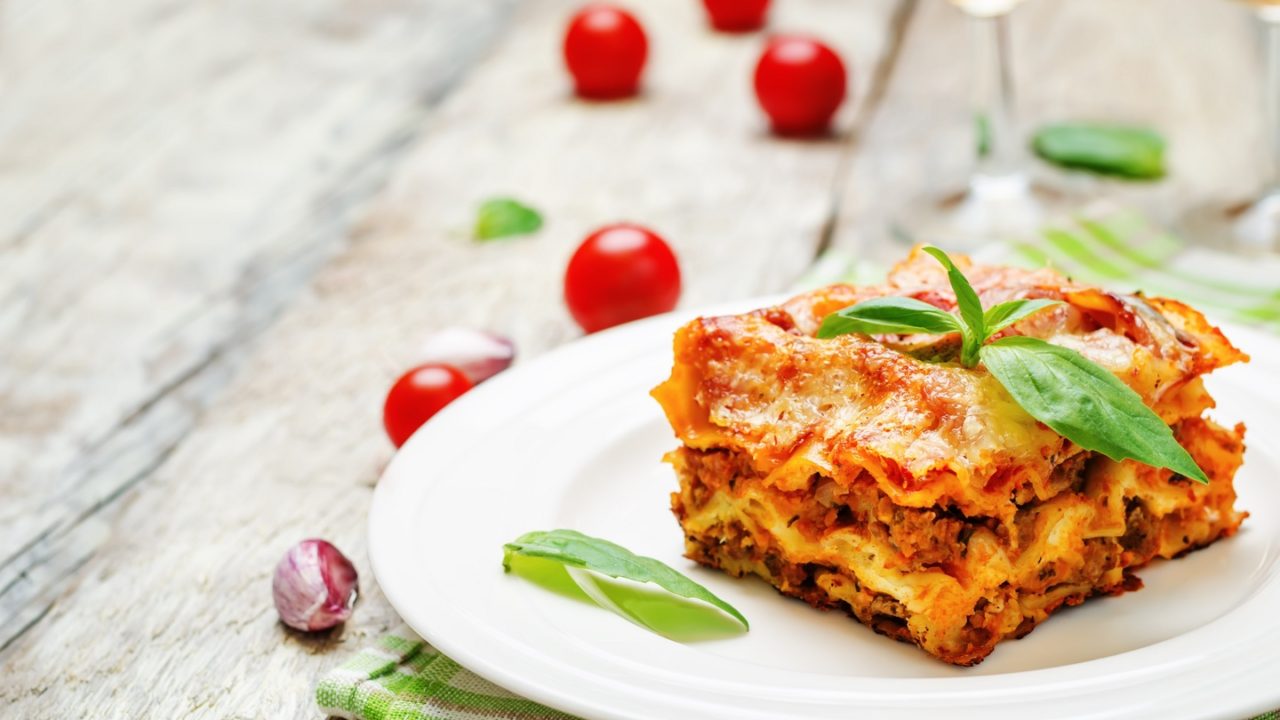
Lasagna is a typical Italian dish, loved all over the world. Once the procedure has been learned, you can make different types of sauces to dress the lasagna.
The lasagna is also one of the typical dishes of Tenuta Torciano, and you can find it in our tasting menus in different versions: from the traditional “mum” Lasagna with Truffle, also present in the wine school menu, Lasagna alla Bolognese, asparagus and saffron, salmon lasagna and the white version with zucchini and cooked ham.
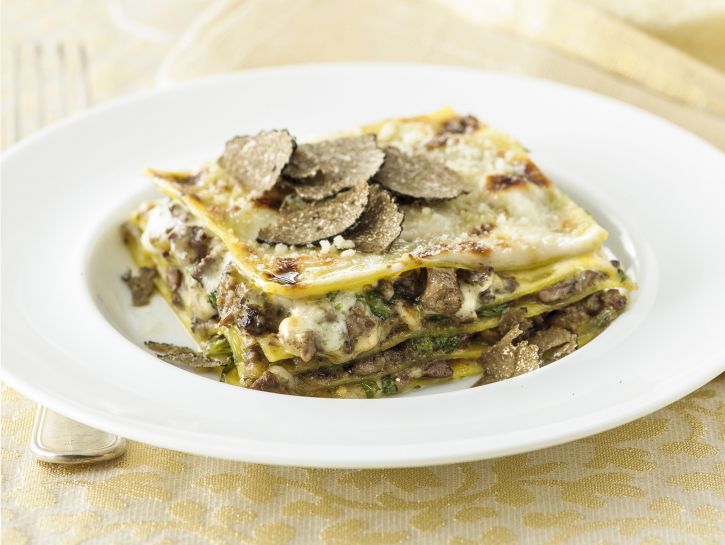
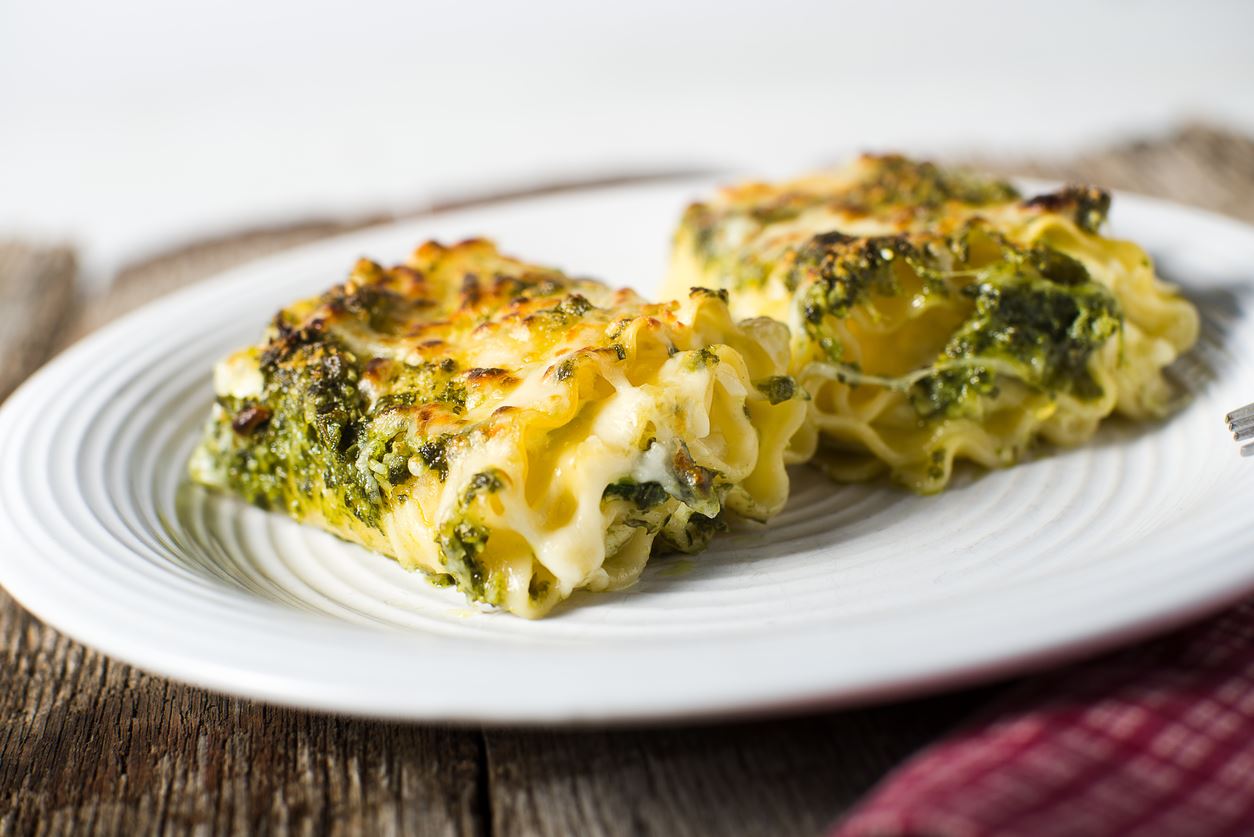
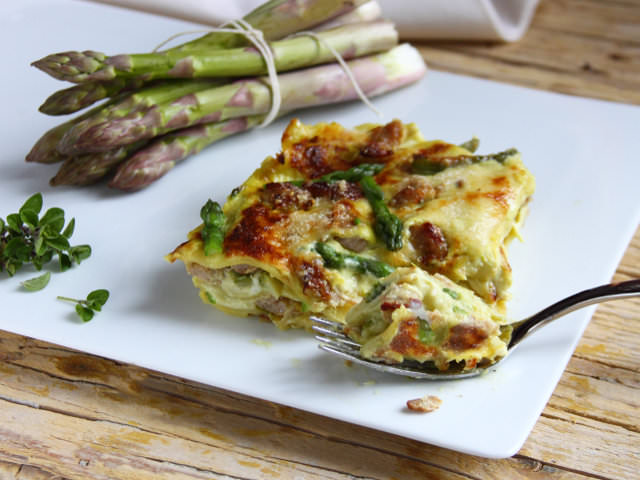
Regarding the combination of food and wine, milestone of our wine tastings, we suggest you to taste these delicious pasta dishes in the company of excellent red wines: a bottle of Chianti is perfect with a plate of Lasagna Bolognese, a Chianti Classico Riserva is the perfect choice for dishes with more pronounced flavors such as lasagne with truffles, mushrooms or asparagus and saffron.
Our Super Tuscan I.G.T. Baldassarre, Cavaliere and Bartolomeo are also perfect for pairing with this first courses.
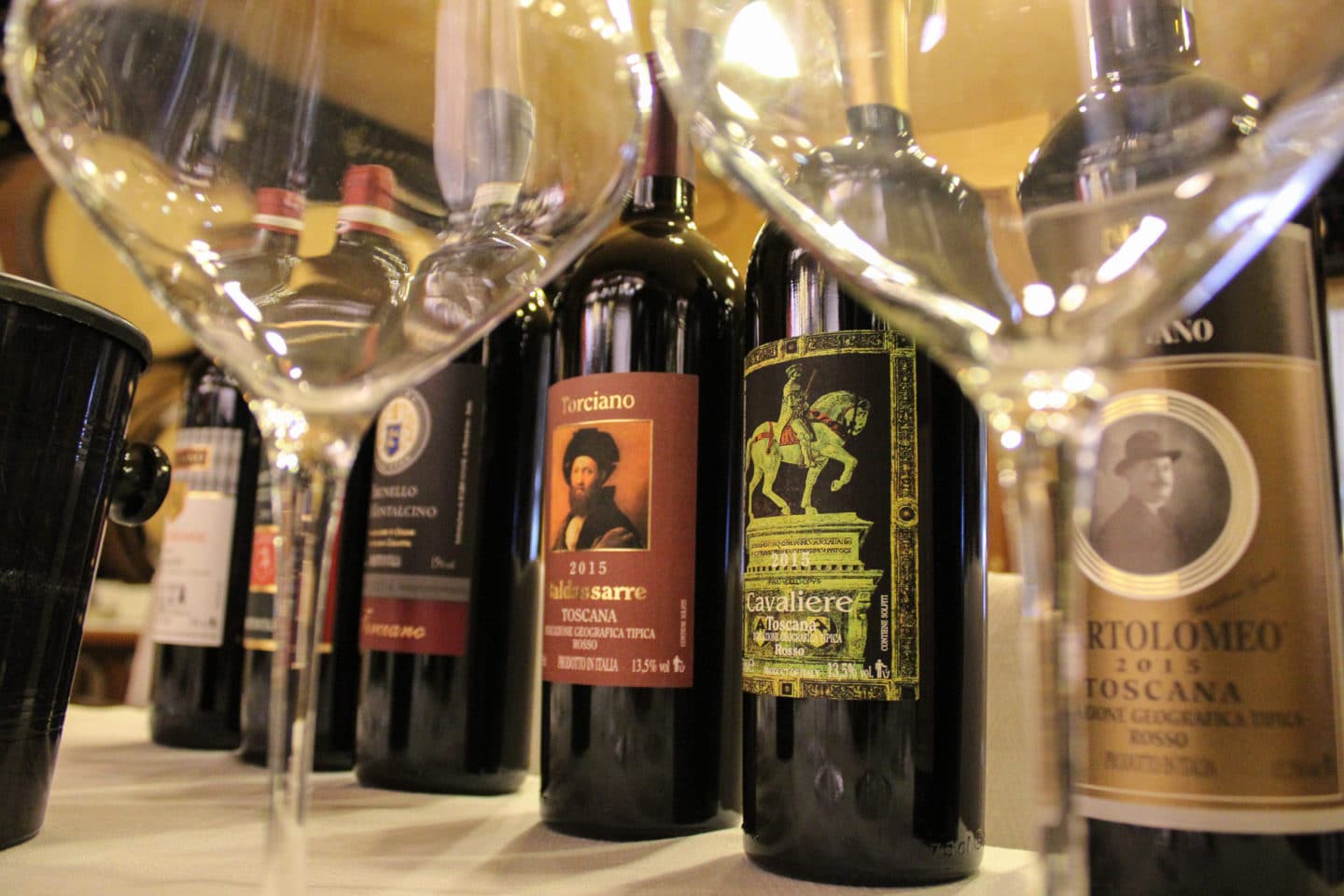
Discover all our recipes to combine with the best wines directly on the Tenuta Torciano site.
Author

Luciana Cilemmi
Luciana Cilemmi, deals with Magazine, Style Director and Co-founder of Tenuta Torciano winery and Tenute Giachi wines and the innovative Viviarium Restaurant of Bottega Torciano- Tenuta Torciano & Winery is part of an international reality that is born in Italy by an initiative of Pierluigi Giachi and Luciana Cilemmi, who have worked for years in the Italian wine market , expanding throughout in the United States, managed and controlled by the american company ' Bellavini winery. Luciana Cilemmi was born in San Gimignano to a family of artists specialised in the restoration of medieval buildings. Having completed her technical studies, she now pursues the interests passed on to her by her family, like her passion for artistic objects, in particular works of art created in Tuscany between the Middle Ages and the Renaissance. But she reserves her keenest enthusiasm for the historic works completed in San Gimignano between 1100 and 1300. Alongside her love of medieval history, she is fascinated in wines produced from Tuscan vineyards, which, together with saffron and wool, were the most sought-after goods traded by the wealthy noble families of San Gimignano already in medieval times. Luciana Cilemmi left San Gimignano at the age of 21 and embarked on a pilgrimage in search of knowledge and to discover the new winemaking skills and products that were then developing both in Italy and in France. In the meantime she added to her knowledge of wine by attending specialised courses and becoming a master of wine. On returning to Siena, she discovered a wonderful area near Murlo where she fell in love with the tiny, unspoilt village of Montepescini. She bought the estate of Montepescini where, based on the experience she had acquired over the years, she found a particular lie of the land, special climatic conditions and an altitude suited to the creation of great wines. With enormous enthusiasm, doggedness and considerable effort, a reclamation programme was started to renew the terrain which was then used to plant 30 hectares of specialised vines. Sangiovese is the dominant vine, followed by Cabernet Sauvignon, Merlot and Syrah. Years of experimentation and the introduction of new winemaking techniques eventually led to the creation of Luciana di Memmi’s prestigious wines. Some years ago, Luciana Cilemmi succeeded in realising her dream of a lifetime: to return to her home town, San Gimignano. She was destined to buy the historic palace with the medieval tower, which had been owned by the prestigious Useppi family from 1200 to 1927 and had then passed to the noble and historic Chigi family of Siena. The Useppi were a powerful Sienese family who owned several castles. This beautiful medieval building has an elegant and distinctive façade full of Sienese and Pisan architectural influences. If you find yourself in San Gimignano, make sure you visit the Chigi Tower and Palace. Luciana Cilemmi holds regular events in the rooms of the medieval tower, such as the presentation of wines, both from her vineyards and elsewhere, attended by international journalists, experts from the sector and critics. She also organises exhibitions of works of art and paintings, and press conferences on the subject of "Wine in San Gimignano during medieval times”. Visiting the home of Luciana Cilemmi is like re-living an aspect of the past that will not return except through the imagination of those who have believed and continue to believe in this story.