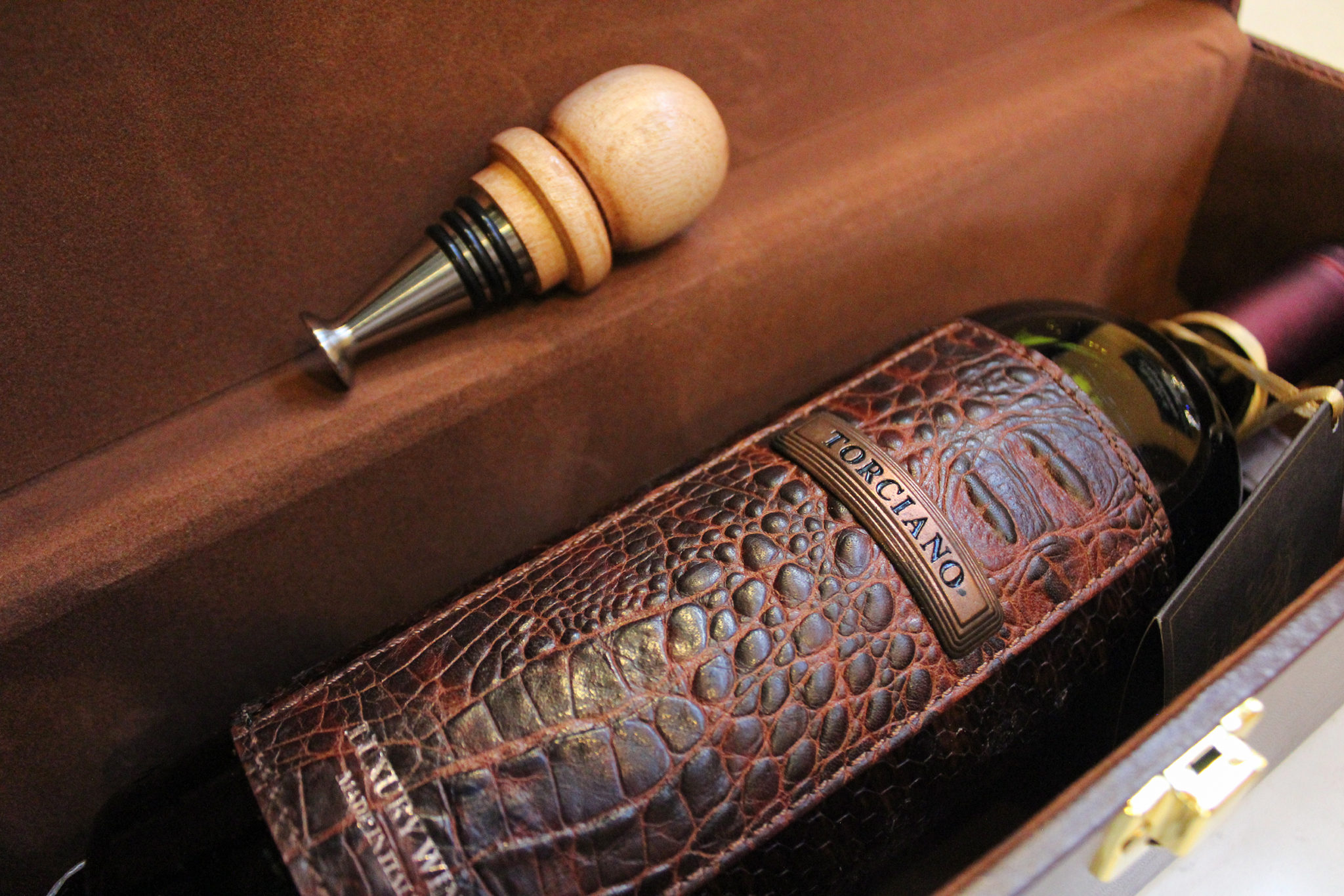

How to navigate a Tuscan wine list
Tuscan wine lists can be tricky even if you’re fairly knowledgeable about wine – here’s how to tackle them and get the best out of your sommelier.
It is a situation that many of us have experienced at one time or another – sitting in a restaurant holding a long wine list, trying to make a sensible decision that will not raise your room mates’ eyebrows. Wine can bring out the worst in people: anxiety, snobbishness and desire to impress, but it need not be so. Going to a restaurant shouldn’t seem like a test; it’s an opportunity to learn something new, find something you like and chat with a professional whose job it is to help you. And our task at Tenuta Torciano is precisely to help you on how to choose the right wine, how to taste it and how to combine it with food. It is our mission.

Ask the expert
Our sommeliers and wine instructors are here to help you and share their knowledge. They have worked incredibly hard to increase their understanding of the wine world, and they will be able to give a professional answer to all your questions. It is more interesting for a sommelier to help someone who has his questions, and very few guests will know everything there is to know about wine. Asking specific questions about the region, the producer, or the grape gives the sommelier the opportunity to show off how much they know. They will enjoy telling you, and you will learn in the process, storing up knowledge for the next time you have to order.
Don’t trust the prices
The most expensive wines are not necessarily the best, as it is not the best choice to always order the cheapest wine. Less full-bodied and lighter wines can be a good bet but let’s not forget that wine is extremely personal. What is good is not always good, but only what you like is good.
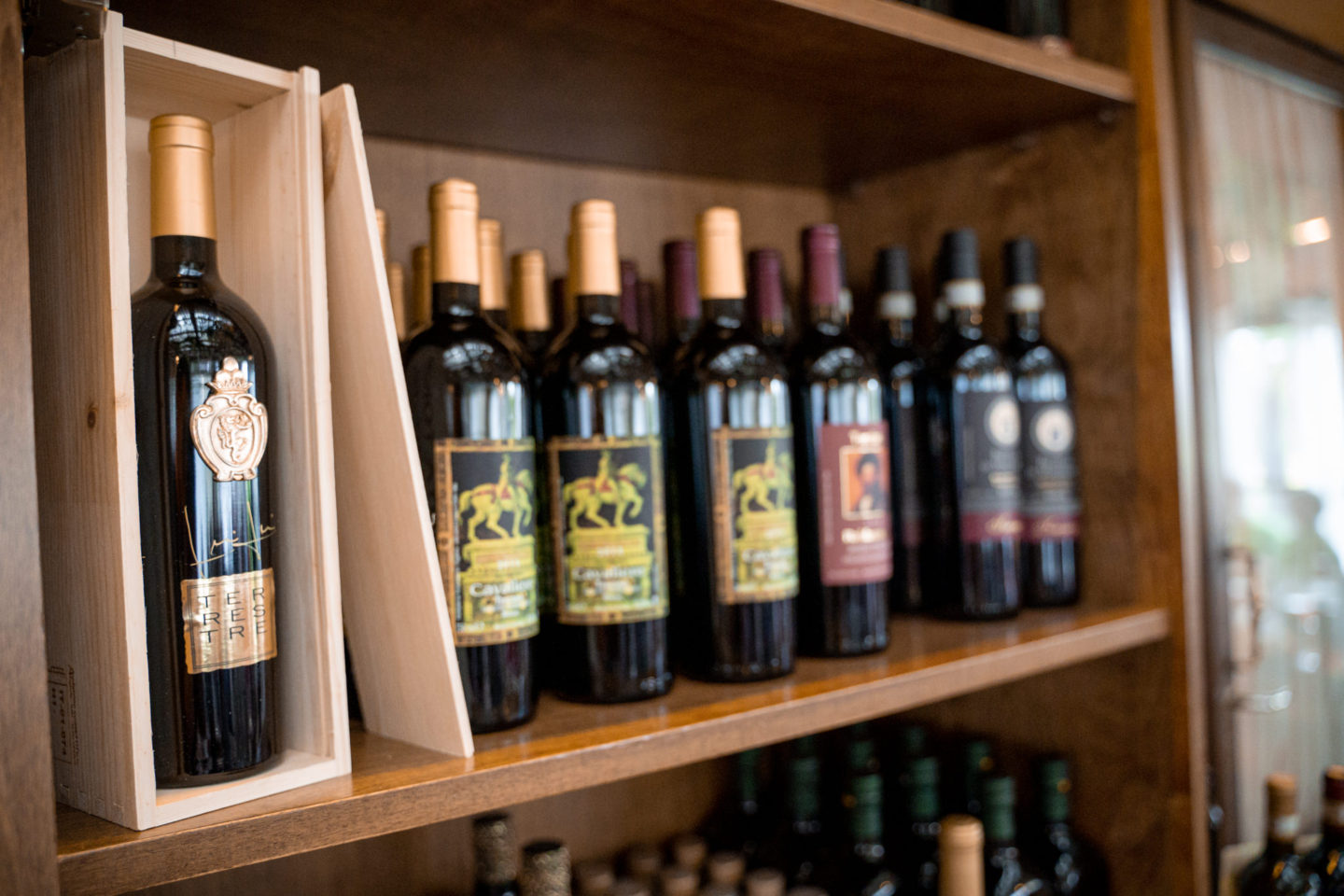
Try different types of wines
Make sure you bring more types of wines at home – it’s less of a cost commitment and you can take notes on the ones you like and find something similar on a wine list when you’re at your home restaurant. A wine you already know you like can be a great starting point for a sommelier trying to figure out how to help you. It can help familiarize you with the different wines of Tuscany, Brunello di Montalcino or Bolgheri, for example. Or Vernaccia di San Gimignano, Chianti, Chianti Classico, Super Tuscans and the Dessert Wines. So you can increase your future choices in front of a long wine list.
Know your food pairings
A basic understanding of food matching principles may also be helpful. The goal is to best match the flavor profiles of food and wine, ie desserts should be combined with sweet wines or create a contrast between them. Fatty foods, for example, work well with high-acid wines – Chianti Classico Riserva or Brunello di Montalcino – and something really light like fish, vegetables and some cheeses works well with passionate grapes like Vernaccia di San Gimignano or Pinot Grigio. Seasoned cheeses, rich fish and white meats like chicken or turkey always go well with white wines, light red wine like Chianti and also with Prosecco or Sparkling Rosé. The large and tasty dishes require large and tasty wines, so that the taste of the wine is not lost on the plate: this is the principle behind the combination of steaks with a full-bodied and spicy Cabernet Sauvignon, as our Bartolomeo Super Tuscan. This is what we do at Tenuta Torciano, we help you combine all the wines – from the lightest to the most full-bodied – with different types of food to better understand all the flavors and the best combinations when the wine goes with the food. Only with the wine & food pairing you will be ready to understand well what are the best wines to order at the restaurant or to buy when you have to prepare a dinner with friends and families.
Ask for a sample
When it comes down to it, personal taste rules all. Even if you know you like a Super Tuscan wine, there’s no guarantee you’ll love the particular example on the wine list. Asking for a sample allows you to make a decision confidently, and there is no need to justify rejecting a wine on any other grounds than that you don’t like it.
When you visit the Torciano estate you will discover all the secrets of wine & food pairing, learn the glass etiquette and recognize all the flavors of wine in a sober, informal and joyful environment. So when you return home you will have all the knowledge on how to choose the best wine at the restaurant or which bottles to buy again when your personal cellar is empty.
To order our bottles visit the website: www.torciano.com/en/shop
Author

Luciana Cilemmi
Luciana Cilemmi, deals with Magazine, Style Director and Co-founder of Tenuta Torciano winery and Tenute Giachi wines and the innovative Viviarium Restaurant of Bottega Torciano- Tenuta Torciano & Winery is part of an international reality that is born in Italy by an initiative of Pierluigi Giachi and Luciana Cilemmi, who have worked for years in the Italian wine market , expanding throughout in the United States, managed and controlled by the american company ' Bellavini winery. Luciana Cilemmi was born in San Gimignano to a family of artists specialised in the restoration of medieval buildings. Having completed her technical studies, she now pursues the interests passed on to her by her family, like her passion for artistic objects, in particular works of art created in Tuscany between the Middle Ages and the Renaissance. But she reserves her keenest enthusiasm for the historic works completed in San Gimignano between 1100 and 1300. Alongside her love of medieval history, she is fascinated in wines produced from Tuscan vineyards, which, together with saffron and wool, were the most sought-after goods traded by the wealthy noble families of San Gimignano already in medieval times. Luciana Cilemmi left San Gimignano at the age of 21 and embarked on a pilgrimage in search of knowledge and to discover the new winemaking skills and products that were then developing both in Italy and in France. In the meantime she added to her knowledge of wine by attending specialised courses and becoming a master of wine. On returning to Siena, she discovered a wonderful area near Murlo where she fell in love with the tiny, unspoilt village of Montepescini. She bought the estate of Montepescini where, based on the experience she had acquired over the years, she found a particular lie of the land, special climatic conditions and an altitude suited to the creation of great wines. With enormous enthusiasm, doggedness and considerable effort, a reclamation programme was started to renew the terrain which was then used to plant 30 hectares of specialised vines. Sangiovese is the dominant vine, followed by Cabernet Sauvignon, Merlot and Syrah. Years of experimentation and the introduction of new winemaking techniques eventually led to the creation of Luciana di Memmi’s prestigious wines. Some years ago, Luciana Cilemmi succeeded in realising her dream of a lifetime: to return to her home town, San Gimignano. She was destined to buy the historic palace with the medieval tower, which had been owned by the prestigious Useppi family from 1200 to 1927 and had then passed to the noble and historic Chigi family of Siena. The Useppi were a powerful Sienese family who owned several castles. This beautiful medieval building has an elegant and distinctive façade full of Sienese and Pisan architectural influences. If you find yourself in San Gimignano, make sure you visit the Chigi Tower and Palace. Luciana Cilemmi holds regular events in the rooms of the medieval tower, such as the presentation of wines, both from her vineyards and elsewhere, attended by international journalists, experts from the sector and critics. She also organises exhibitions of works of art and paintings, and press conferences on the subject of "Wine in San Gimignano during medieval times”. Visiting the home of Luciana Cilemmi is like re-living an aspect of the past that will not return except through the imagination of those who have believed and continue to believe in this story.