

TENUTA TORCIANO – TUSCAN WINERY WITH MORE THAN A CHARACTER
Tenuta Torciano – Tuscan Winery With More Than a Character Tuscan landscapes, cities, medieval hill-top towns, bring unique blast for all our senses. Visual impact and authen
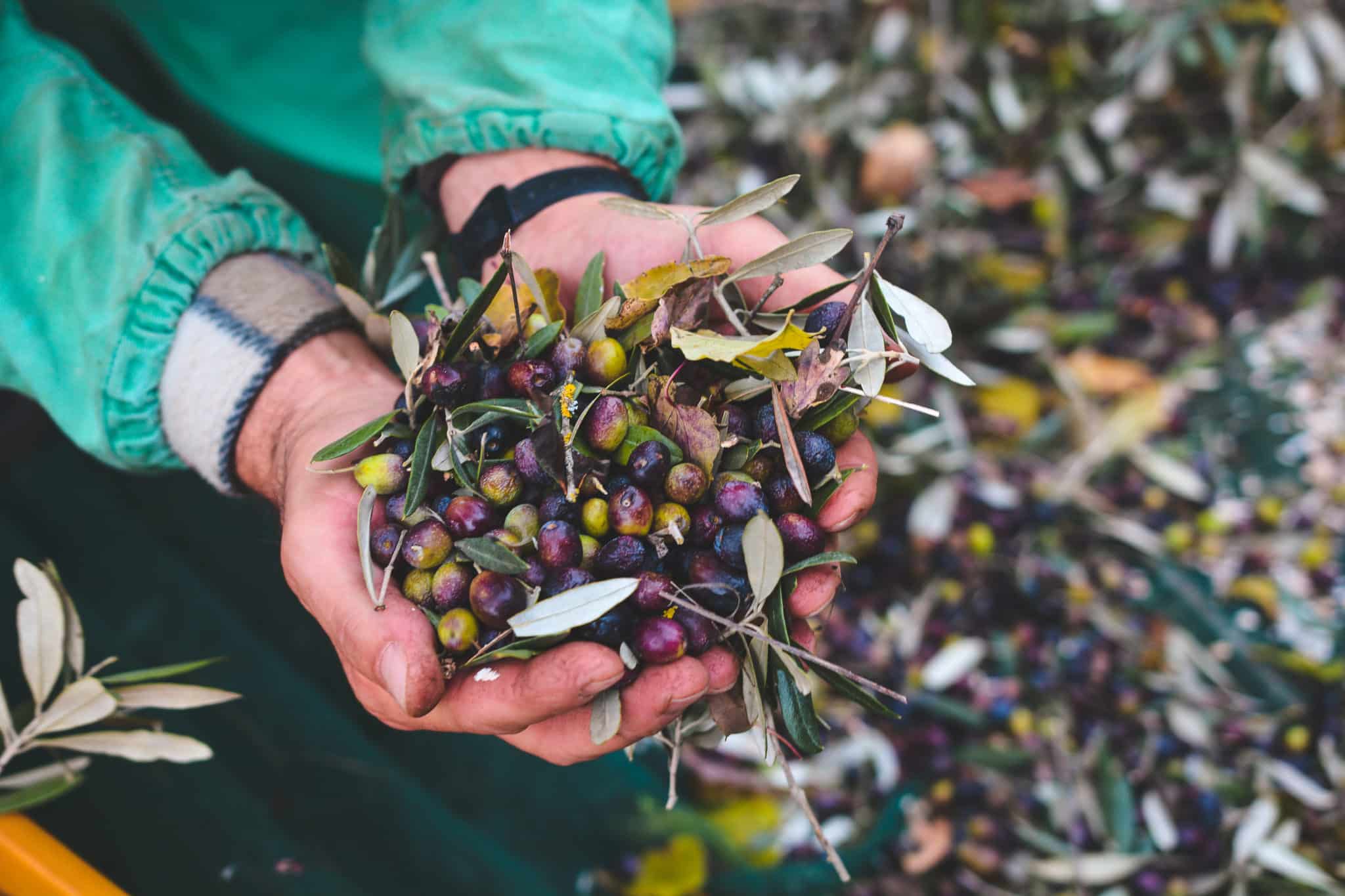
Autumn in Tuscany also means new, freshly squeezed olive oil. The olive tree is an icon of the Tuscan landscape, along with cypresses, vineyards and hills. Between late October and early November the olive harvest takes place in Tuscany, a very ancient ritual that has been repeated for thousands of years. In this period, in fact, the olive reaches the right maturation (veraison), changing its color from green to black.
The extra virgin olive oil is a fruit juice, pure juice obtained from the simple pressing of the olives, so it seems easy, instead…we asked the Torciano oil craftsmen to tell us all the fundamentals that make the difference. All the rest is experience and trade secrets!
1. the olives: healthy, firm and at the right degree of ripeness that changes depending on the variety, exposure to the sun, altitude, climate …
2. the harvest: from the plant and never from the ground, the olives must be detached from the branches avoiding traumas which, by damaging them, would activate fermentative processes.
3. transport: the olives must arrive in the fresh mill, within a few hours of harvesting, in perforated containers (not in the bags) that guarantee the ventilation.
4. preparation: the olives must be defoliated and washed thoroughly to remove dust, soil and other external agents that could alter taste and smell.
5. the milling: in addition to the technological aspects (many mills adopt modern systems with continuous cycle), the cleaning of the crusher and the processing in quick times and at low temperatures are decisive.
6. storage: in suitable and well-washed containers stored in rooms without odors, away from light and at a controlled temperature. When the oil is not filtered it will have to be “changed”, thus avoiding that it remains in contact with the sediments.
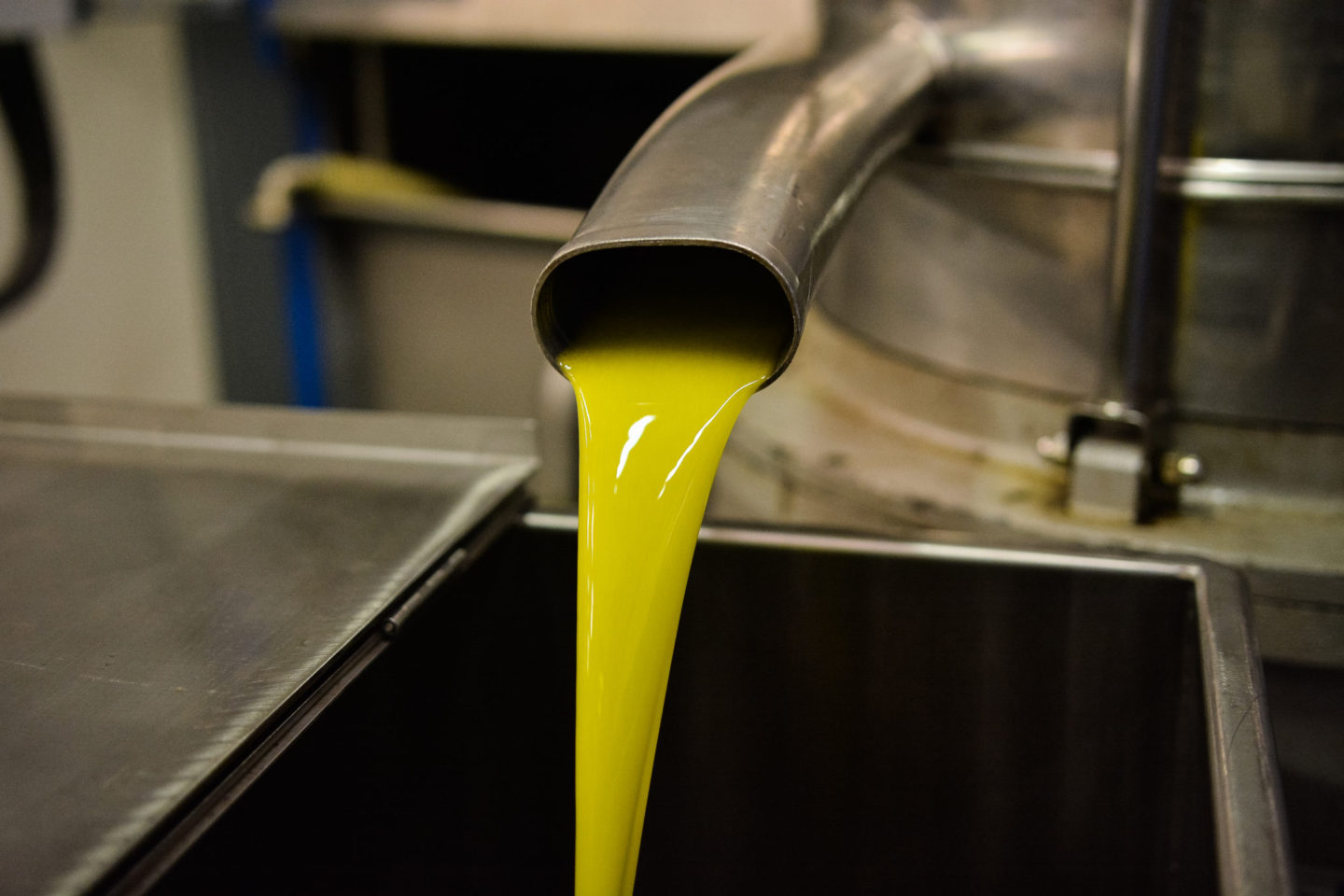
Tenuta Torciano’s Extra Virgin Olive Oil is an oil of great quality, especially thanks to the soil where our plants are grown. A soil with a very alkaline pH, together the cold extraction exclusively performed by mechanical machinery, favors the realization of a final product with a very low acidity and a unique flavor.
Extra-virgin also means “first pressing”: to produce one liter of our oil it takes about 5 kg of olives. Olive Oil It also contains antioxidant compounds that protect it from rancidity and if stored correctly, away from light or heat sources, you can keep it unchanged for 12/18 months.
The new Extra Virgin Olive Oil, freshly pressed, is one of the most sought after products by experts and this year the Torciano Extra Virgin Olive Oil will stand out for its quality and flavor, also considering the excellence of the olives harvested.
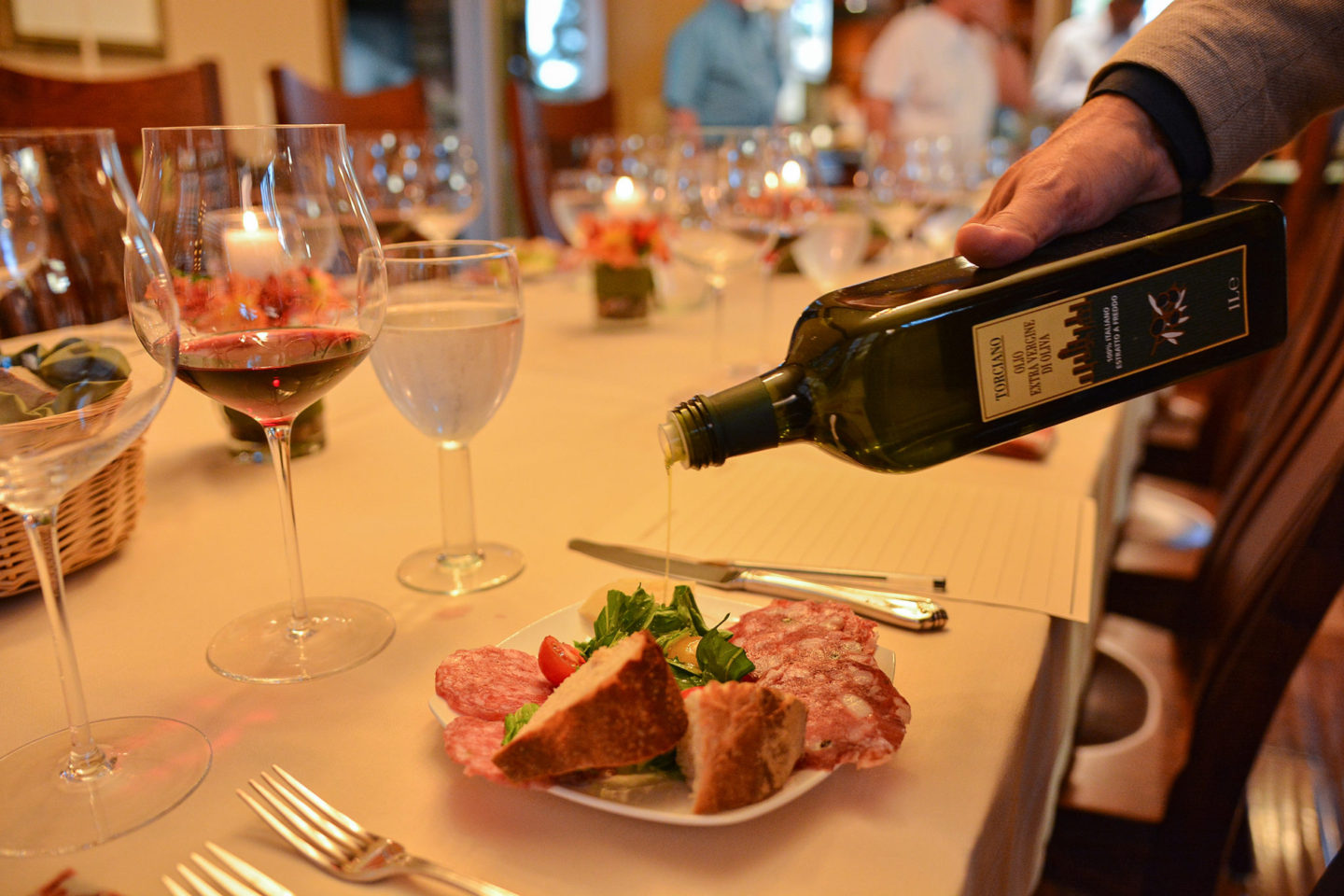
Suitable for all culinary applications such as simple dressing, scalding and frying. Try it on a slice of cooked bread (here called Bruschetta) or pasta in white; you can have the same delicious result by putting it on your salads or on quality meat (Fiorentina is the best). This oil is perfect also in combination with white meats or fish, and the delicious carpaccio. This blond nectar is in fact the perfect condiment for every kind of food.
L’olio extra vergine di oliva di Tenuta Torciano è un olio di grande qualità proprio per il terreno dove vengono coltivate le nostre piante. Un terreno con un pH molto alcalino che, grazie anche all’estrazione a freddo esclusivamente eseguita con mezzi meccanici, favorisce la realizzazione di un prodotto finale con un livello di acidità molto basso e un sapore unico.
Extra-vergine significa anche “prima pressatura”, tanto che per produrre un litro del nostro olio occorrono circa 5 kg di olive. Contiene inoltre dei composti antiossidanti che lo proteggono dall’irrancidimento e se conservato correttamente, lontano da luce o fonti di calore, potrete mantenerlo inalterato per 12/18 mesi.
L’Olio Extravergine d’Oliva nuovo, quello appena franto, rappresenta uno dei prodotti più ricercati dagli intenditori e anche quest’anno l’Olio Extra Vergine Torciano si distinguerà per qualità e sapore, vista anche l’eccellenza delle olive raccolte.
Adatto a tutte le applicazioni culinarie quali quella di semplice condimento, la scottatura e la frittura. Provalo su una fetta di pane cotto (qui chiamato Bruschetta) o la pasta in bianco; è possibile avere lo stesso risultato delizioso mettendolo sulle tue insalate o sulla carne di qualità (la Fiorentina è la migliore). Quest’olio è perfetto anche in abbinamento con carni bianche o di pesce, e il delizioso carpaccio. Questo biondo nettare è infatti il condimento perfetto per ogni tipo di cibo.
Buy our 100% Italian Extra Virgin Olive Oil and Gourmet products in the Shop section of our website: www.torciano.com
Tenuta Torciano – Tuscan Winery With More Than a Character Tuscan landscapes, cities, medieval hill-top towns, bring unique blast for all our senses. Visual impact and authen

Vernaccia San Gimignano Poggioaicieli The Most Iconic Pieces of Pierluigi Giachi Created for you https://www.youtube.com/watch?v=TBrzG4jQ4Vk You don’t have to wait for a spec

In Tenuta Torciano Geese flutter in the vineyards Located in the famous and beautiful medieval city of San Gimignano, Tenuta Torciano is at the center of Tuscan history and cult

Want you be on top for your next party but you don’t know what to wear? Groupon has the solution! In occasion of mothers day has created Prosecco Polish, the nails varnish edible

Many thanks to our friend Michelle LaPorte for this fantastic review! Taste of Tuscany – Tour wineries in Montepulciano and Montecino and taste some of the world’s most del

Extra Virgin Olive Oil, properties and benefits Consuming extra virgin olive oil is the best choice when we talk about condiments, for flavor, fragrance but also for the many healt

Tenuta Torciano Charity Program Besides being a successful winery, Tenuta Torciano has always tried to take care of even less fortunate people. This is because the experience of ev
Black Week 2019. Extreme Wine Deals & Top Quality at Best Price! The week that everyone waits for every year has finally arrived! Many promotions that you will not want to lose
